



Article: Non-Toxic Candles: What 17 Luxury Brands Say Is in the Wax, and the 5 We Would Buy
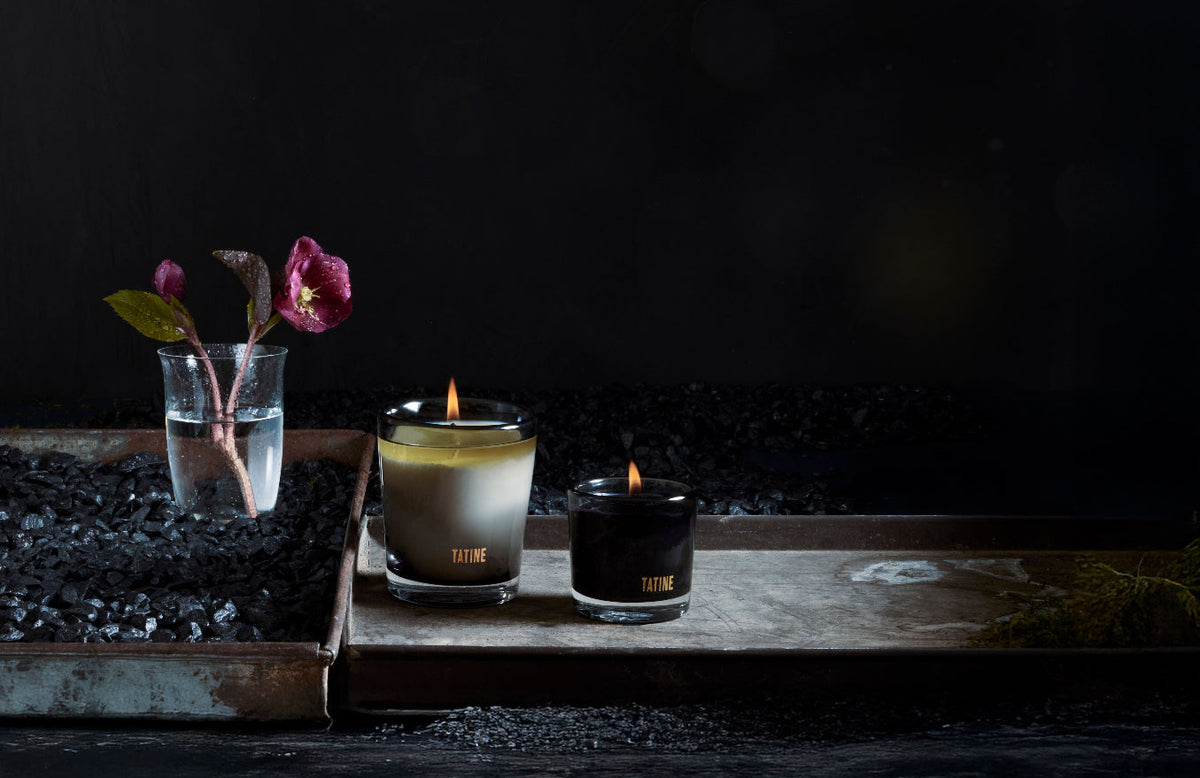
Non-Toxic Candles: What 17 Luxury Brands Say Is in the Wax, and the 5 We Would Buy
Published October 28, 2026. Reviewed and updated October 28, 2026.
There is no such thing as a certified non-toxic candle in the United States. No federal definition exists, the FTC's Green Guides require anyone who uses the word to be able to prove it, and of the 17 candle houses we checked for this guide, only two use the word at all. So when people walk into our West Hollywood store asking for non-toxic candles, the honest answer is a list of three things a brand can state: what the wax is made from, what the wick is made of, and what the fragrance disclosure says is left out. We checked those three things for 17 of the candle brands we carry, our own line included, using each brand's own published words and nothing else.
Anthony Carro, founder of Candle Delirium, has been buying candles for this store since 2003. When he ranked our santal candles earlier this year, he put it this way: "I checked every one against the brand's own published pyramid, the same way we score each candle that enters Candle Delirium's inventory." This guide applies the same discipline to wax, wicks and fragrance.
The five candles we would buy with that check in hand run $24 to $68. The questions people type into Google about soy, beeswax, coconut wax and the brands they already own get straight answers below. We make no health claims anywhere in this guide. Where a brand says nothing, we say so.
What Can a Candle Brand Prove? Three Things, and None of Them Is the Word Non-Toxic
The wax. Candle wax is either petroleum-derived (paraffin, sometimes labeled food-grade or mineral wax), plant-derived (soy, coconut, rapeseed, palm and the blends sold as vegetable wax), or made by bees. A brand that names its wax has told you something checkable. A brand that says "soy blend" has told you the first ingredient; the partner is usually unnamed. A named wax is disclosure. No wax carries a federal non-toxic certification, so it is not a safety grade.
The wick. The Consumer Product Safety Commission banned lead-cored wicks in 2003, so every candle legally sold in the United States since then is lead-free. "Lead-free wick" on a label is true of every candle on the shelf. The material varies: cotton, paper-cored cotton, hemp or wood, and a brand that names it has told you something the law did not.
The fragrance. Fragrance formulas are proprietary and no law requires a candle brand to list them, so a fragrance statement is the most a brand will tell you. "Phthalate-free" means one class of ingredient, used as a fragrance fixative, has been left out; it does not make the fragrance natural. "Essential oils" means plant-derived aromatic oils, and many brands blend a percentage of them into a perfumer's formula. Neither statement is a health claim, and we do not read them as one.
That is the whole test. A candle that names its wax, names its wick material and says what its fragrance leaves out has disclosed more than most. A candle that does none of the three may burn just as well; its maker has chosen to say nothing, and you should know which one you are holding.
What 17 Candle Houses on Our Floor State About Their Wax, Wicks and Fragrance
Every cell in this table is the brand's own public statement, from its website or the product copy it supplies to us, checked on October 28, 2026. "Does not state" means the brand has not published the fact anywhere we could find. We have not filled a gap with a guess.
| Brand | Wax, in the brand's words | Wick | Fragrance statement | Burn time the brand states |
|---|---|---|---|---|
| P.F. Candle Co. | 100% domestically grown soy wax | Lead-free cotton-core wicks | Fragrances vegan, cruelty-free, made without phthalates and parabens | 40 to 50 hours (7.2 oz) |
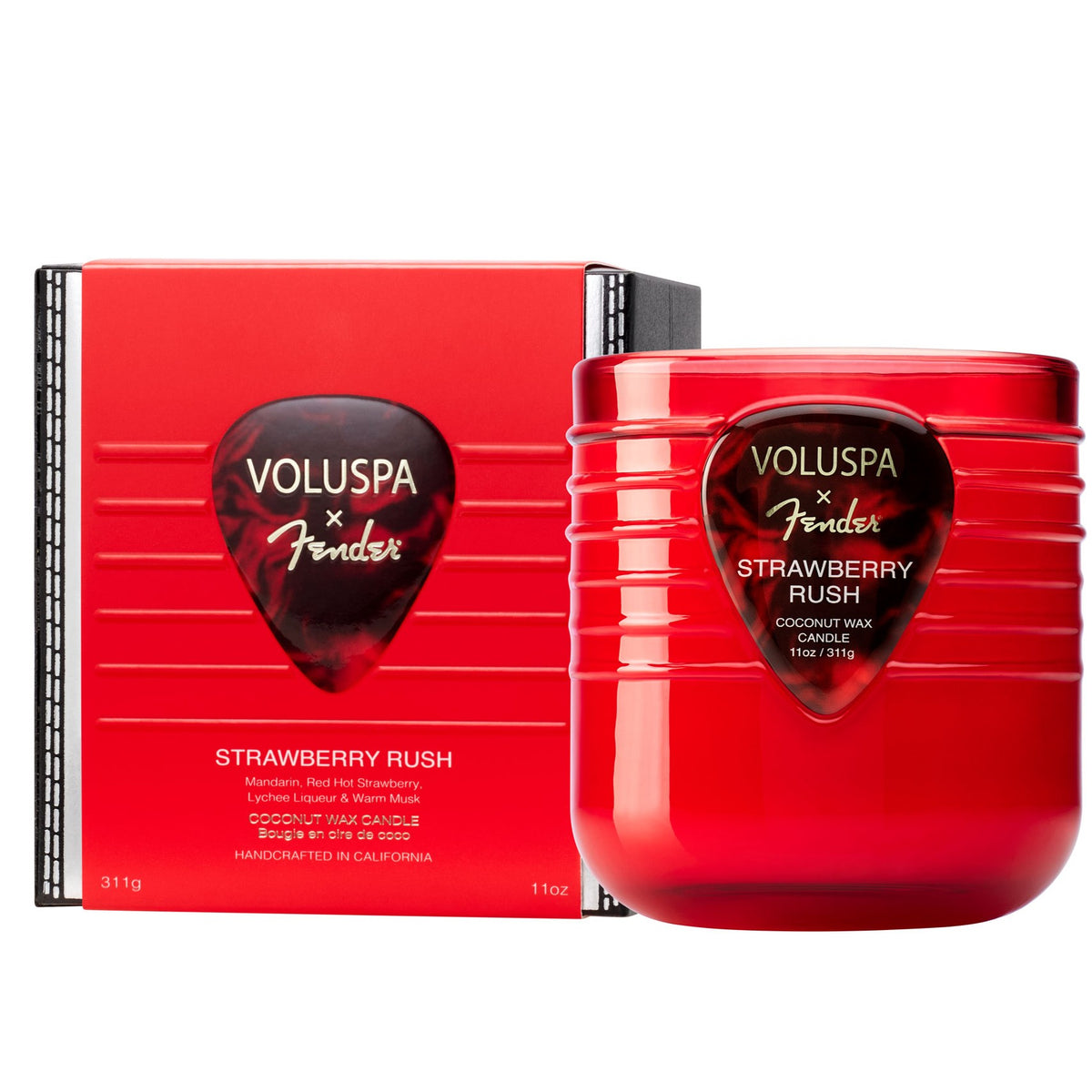
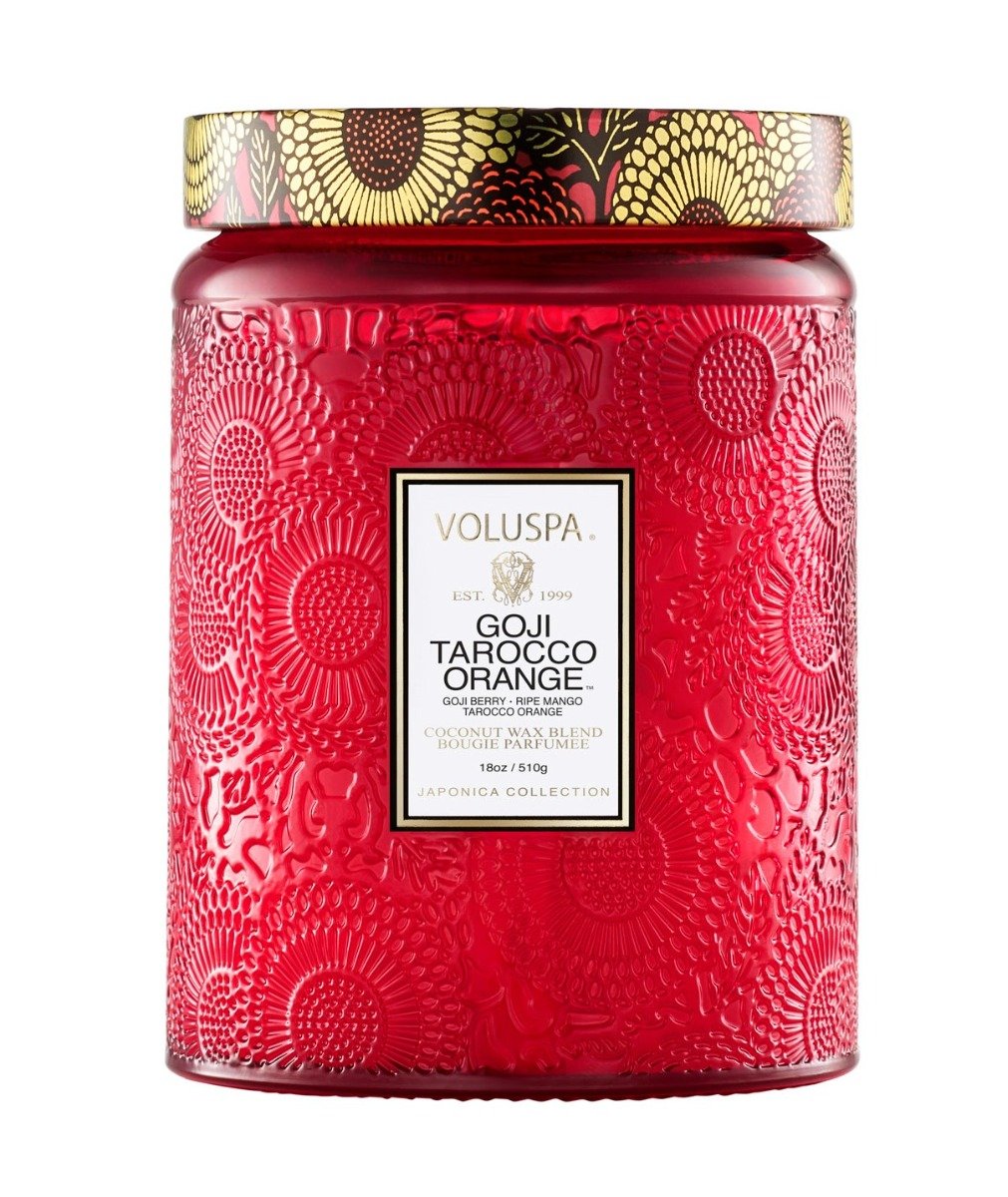
| Voluspa | Proprietary coconut wax blend | "Natural hand-set wicks," material not named | Free of sulfates, phthalates and parabens; a blend of natural, synthetic and perfume-quality fragrances | 60+ hours (Classic) |
| Tatine | Natural soy and vegetable-based waxes, no additives, no added paraffin | Cotton | Perfumery oils and pure essential oils, phthalate-free | Up to 50 hours (8 oz) |
| LAFCO | Soy-based wax blend | 100% cotton | Free from parabens, phthalates and dyes; essential oil fragrances | 50 to over 120 hours by size; about 90 hours (15.5 oz) |
| Flamingo Estate | 100% vegetable soy wax, non-GMO, grown in the USA | 100% cotton | Natural essential oils; a published never-use list that includes phthalates, parabens, paraffin and petroleum | Does not state |
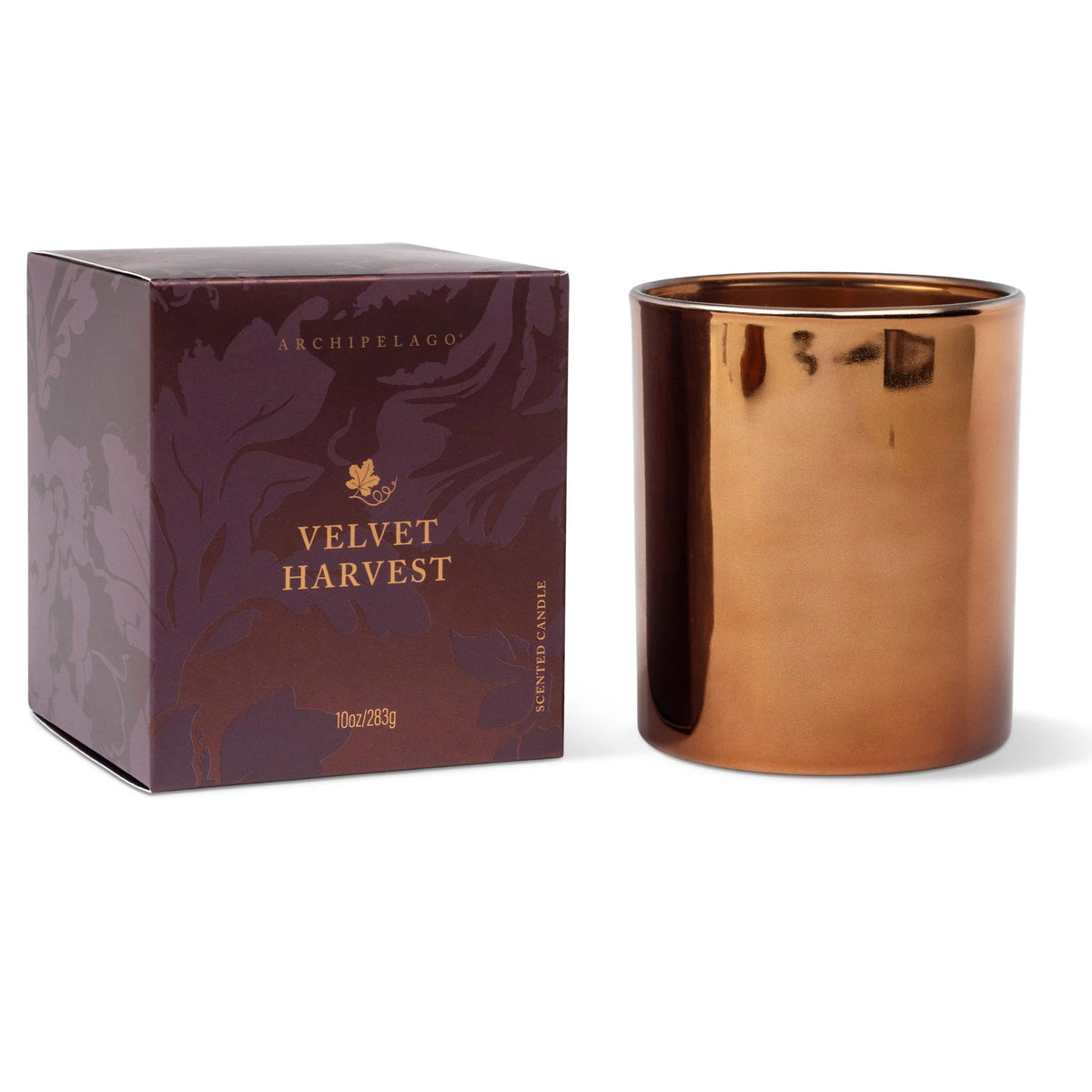
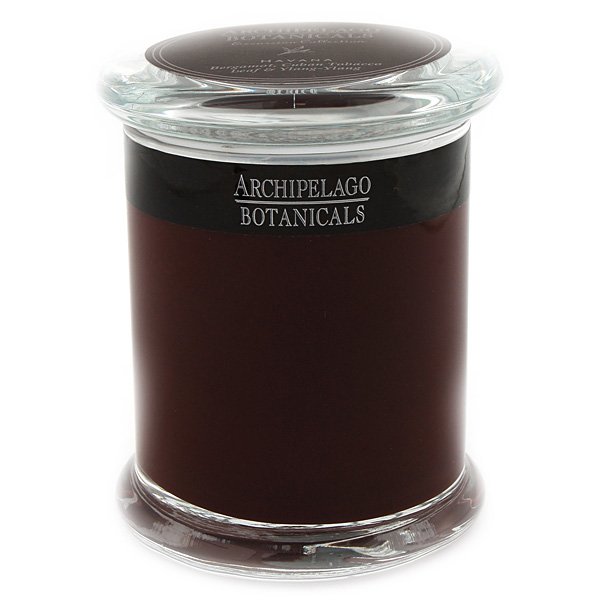
| Archipelago | Premium soy wax blend | Two lead-free cotton wicks | Natural essential oils (votives); phthalates: does not state | About 60 hours (10 oz boxed) |
| Evermore London | Vegan soy wax, European-grown | Does not state | Vegan, cruelty-free, phthalate-free; a mix of natural and man-made fragrances | Up to 30 hours (145 g), 60 hours (300 g) |
| D.S. & Durga | Soy-vegetable wax | Cotton | Natural and synthetic materials to IFRA standards; phthalates: does not state | About 60 hours (7 oz) |
| Max Benjamin | 100% soy container wax | Natural Italian cotton, lead-free | Essential and fragrance oils; phthalates: does not state | 40 to 50 hours (210 g) |
| Joshua Tree | Blended soy wax | Cotton-core | Fine fragrance oils; phthalates: does not state | 40 to 50 hours (7.5 oz) |
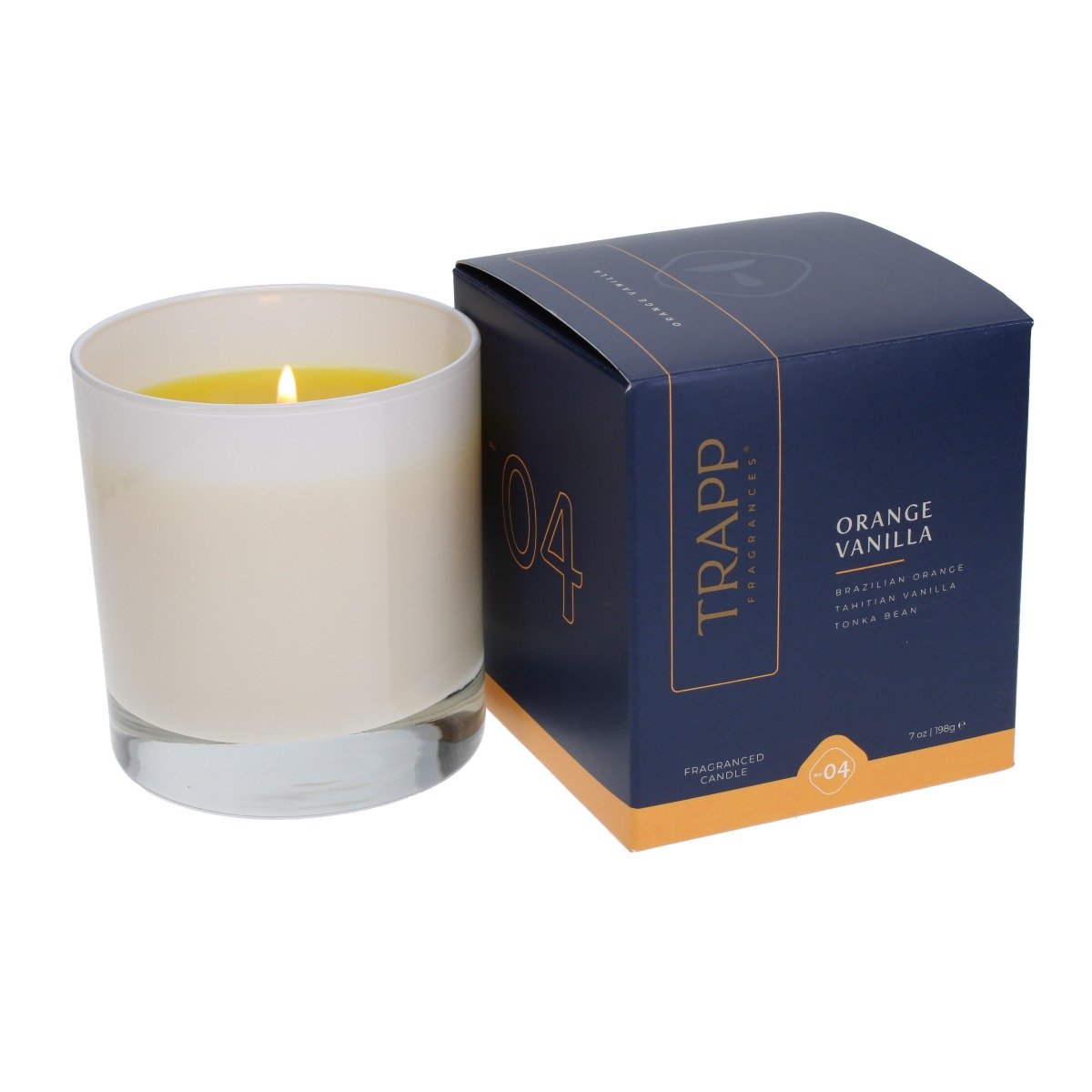
| Trapp | Soy wax blend on its collection pages; "proprietary wax blend" in its FAQ | Lead-free, material not named | Natural essential oils and synthetic ingredients; phthalates: does not state | Up to 50 hours (7 oz) |
| Glasshouse | "Non-toxic soy blend wax" (the brand's words) | Natural lead-free cotton | No parabens, no PEGs; phthalates: does not state | Up to 65 hours (13.4 oz) |
| Boy Smells | US-farmed soy blend, vegan, non-GMO | Non-bleached lead-free cotton | Does not state | 50+ hours (8.5 oz) |
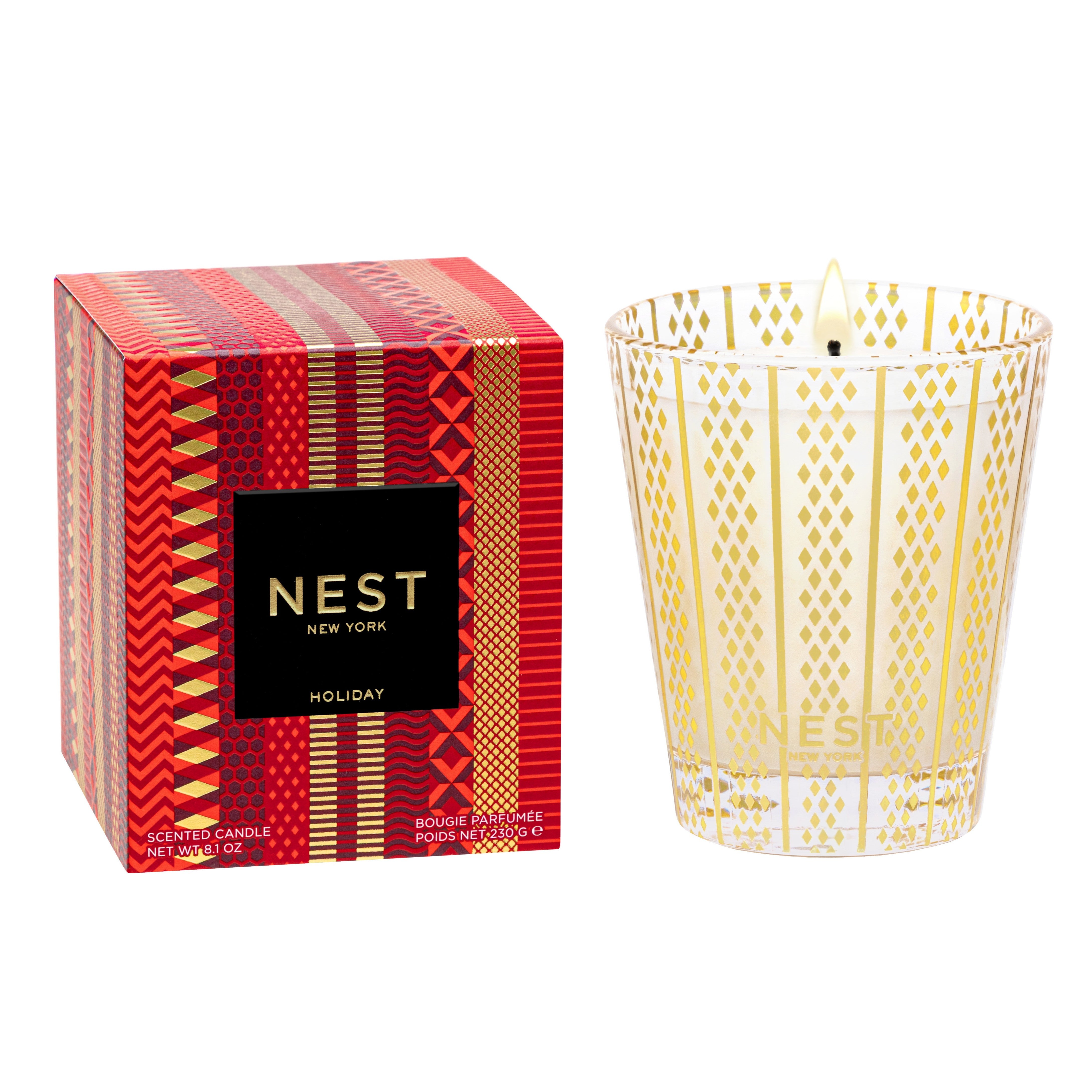
| Nest New York | Food-grade paraffin wax base; full formula not disclosed | Cotton, paper-core cotton, or cotton and paper woven together | Free from formaldehyde, parabens and phthalates | 50 to 60 hours (Classic 8.1 oz) |
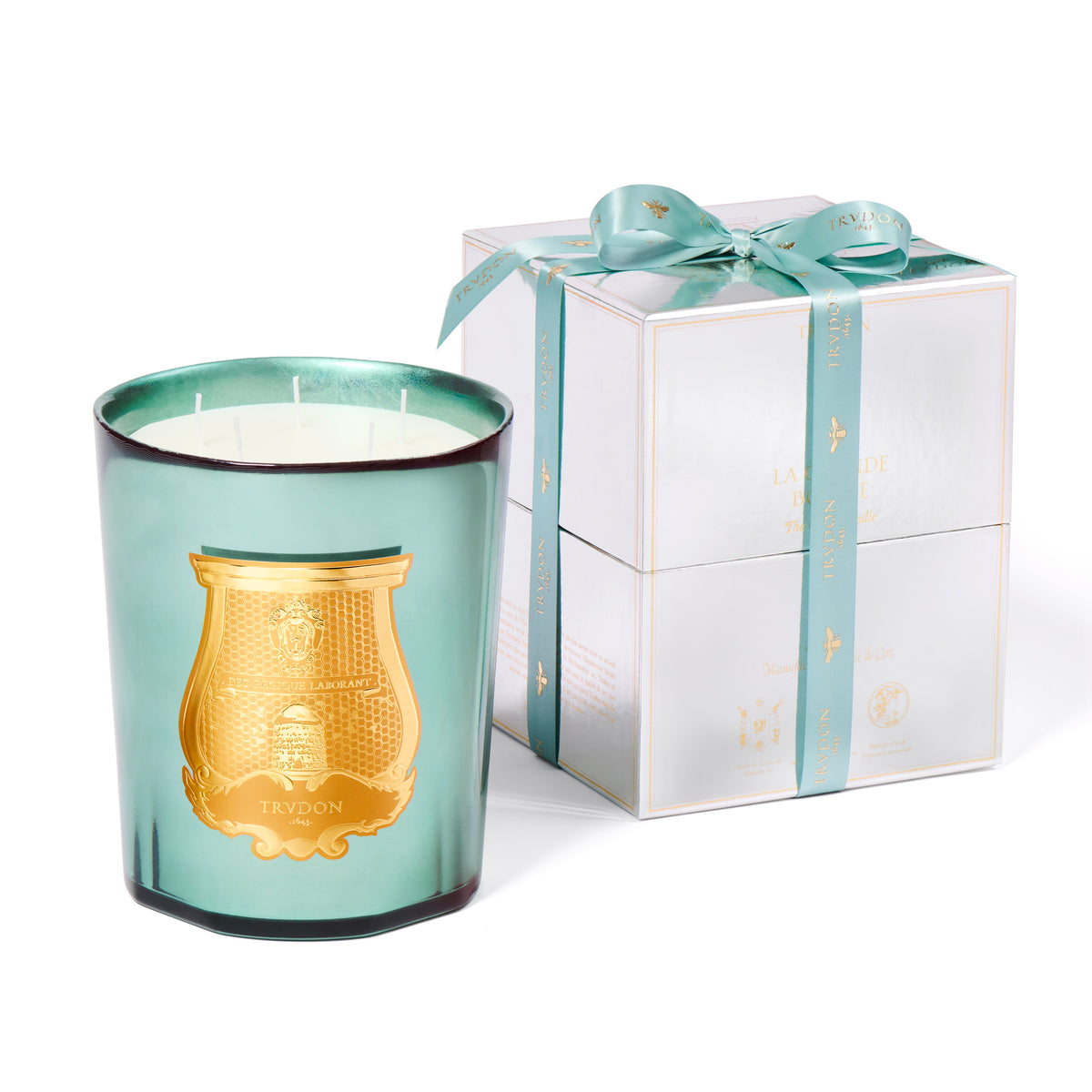
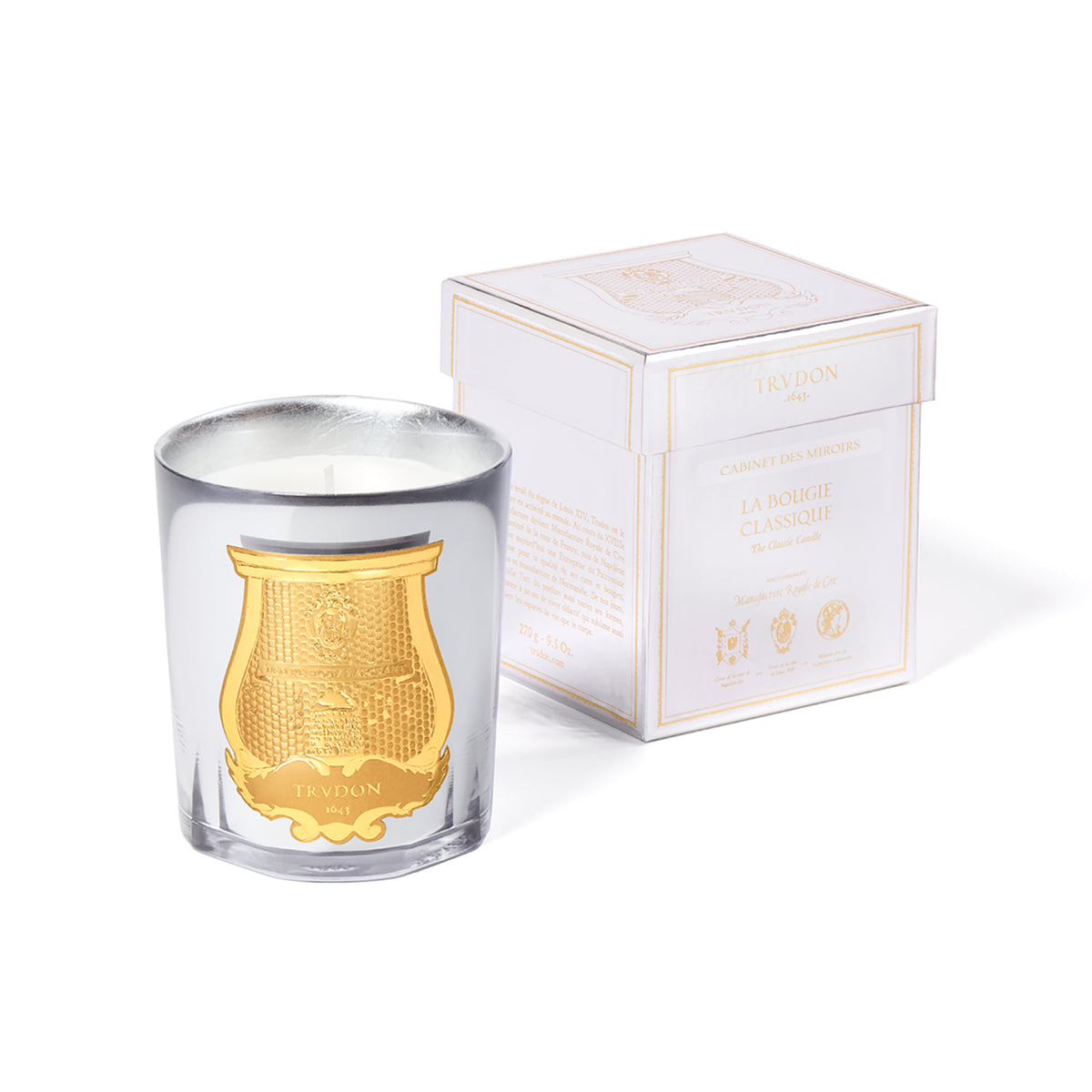
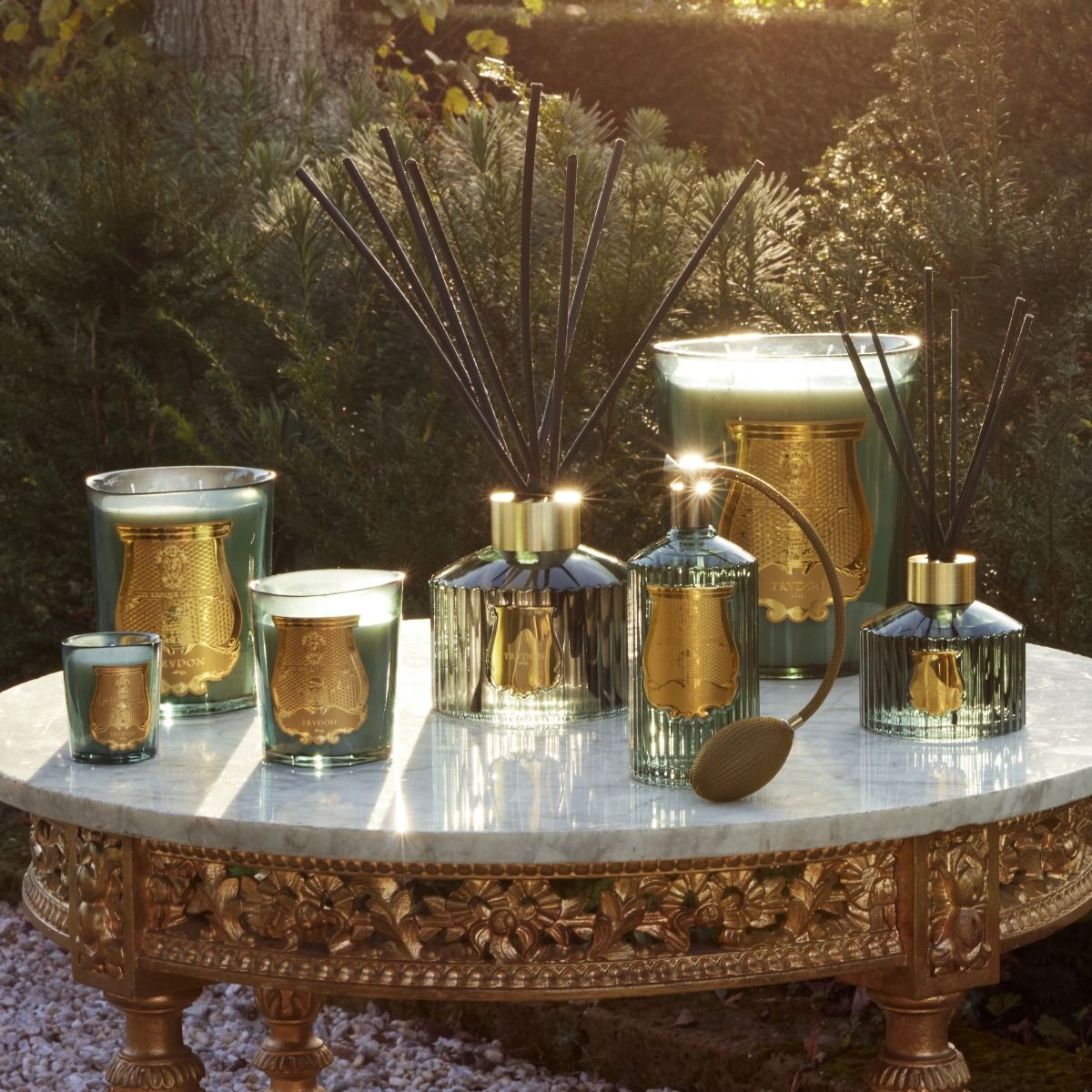
| Trudon | A blend of vegetable wax and paraffin (the brand's FAQ) | Cotton | Does not state | 50 to 60 hours (Classic 270 g) |
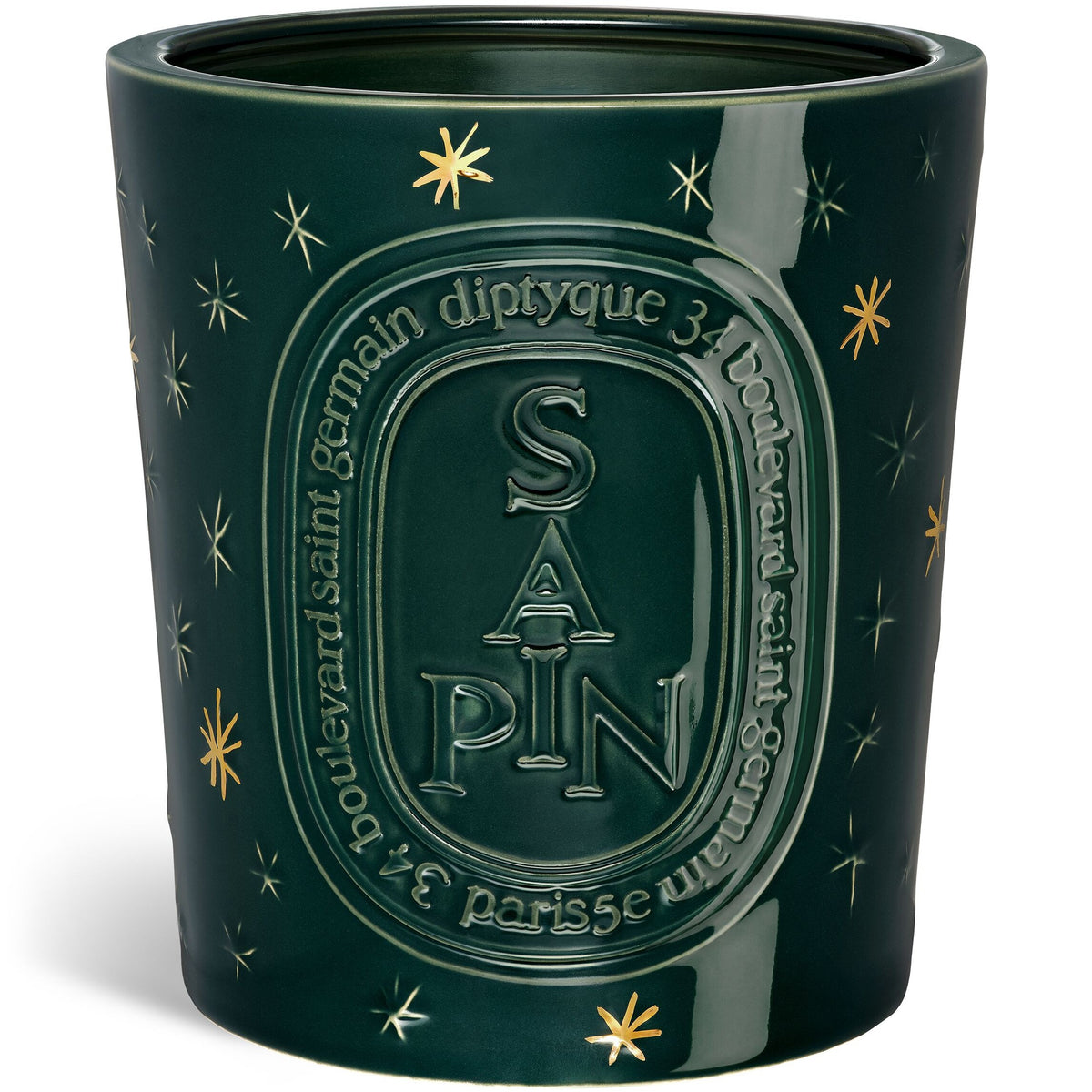
| Diptyque | "A blend of several types of wax," none named | Does not state | "A high-quality fragrance concentrate"; the brand refers you to the packaging for ingredients | About 50 to 60 hours (Classic 190 g) |
| Delirium (our house line) | Soy blend, stated on each product page | Does not state | Fine fragrance oils; phthalates: does not state | 75 hours (12 oz) |
Two patterns jump out after 20+ years of reading these. The brands at the bottom of the price ladder disclose the most: P.F. Candle Co, Tatine and Flamingo Estate publish wax, wick and fragrance statements, while the two most-asked-for prestige houses publish the least. Diptyque names none of its waxes, and Trudon names its blend only in a French-language FAQ answer on its US site. And soy is the industry's word of choice: 13 of the 17 houses name soy, alone or in a blend, and most of the blends never say what the other half is.
The Five Candles We Would Buy, Ranked by Disclosure and Scent
Each pick names its wax, names its wick or its fragrance policy, and smells like something we would light at home. Prices are the current price at Candle Delirium. Every pick is in stock today, and every one links to its product page.
1. P.F. Candle Co. Teakwood & Tobacco Candle, 7.2 oz ($24)

What P.F. Candle Co states: 100% domestically grown soy wax, lead-free cotton-core wicks, and fragrances that are vegan, cruelty-free and made without phthalates and parabens. Burn time 40 to 50 hours.
P.F. Candle Co.'s Teakwood & Tobacco is the candle we hand to anyone who says they do not want to spend $90 to find out whether they like soy wax. It opens with leather, pepper and tobacco, then settles into teak and sandalwood with a little orange over the top, and the amber apothecary jar has made it one of our most-gifted candles year after year. The soy wax burns to a flat, even pool in the 7.2-ounce jar, which is where many cheaper soy candles fall apart. Los Angeles-made, and the entry point to this whole category.
Verdict: the best disclosure-per-dollar on our floor. Browse the rest of the line in our P.F. Candle Co collection.
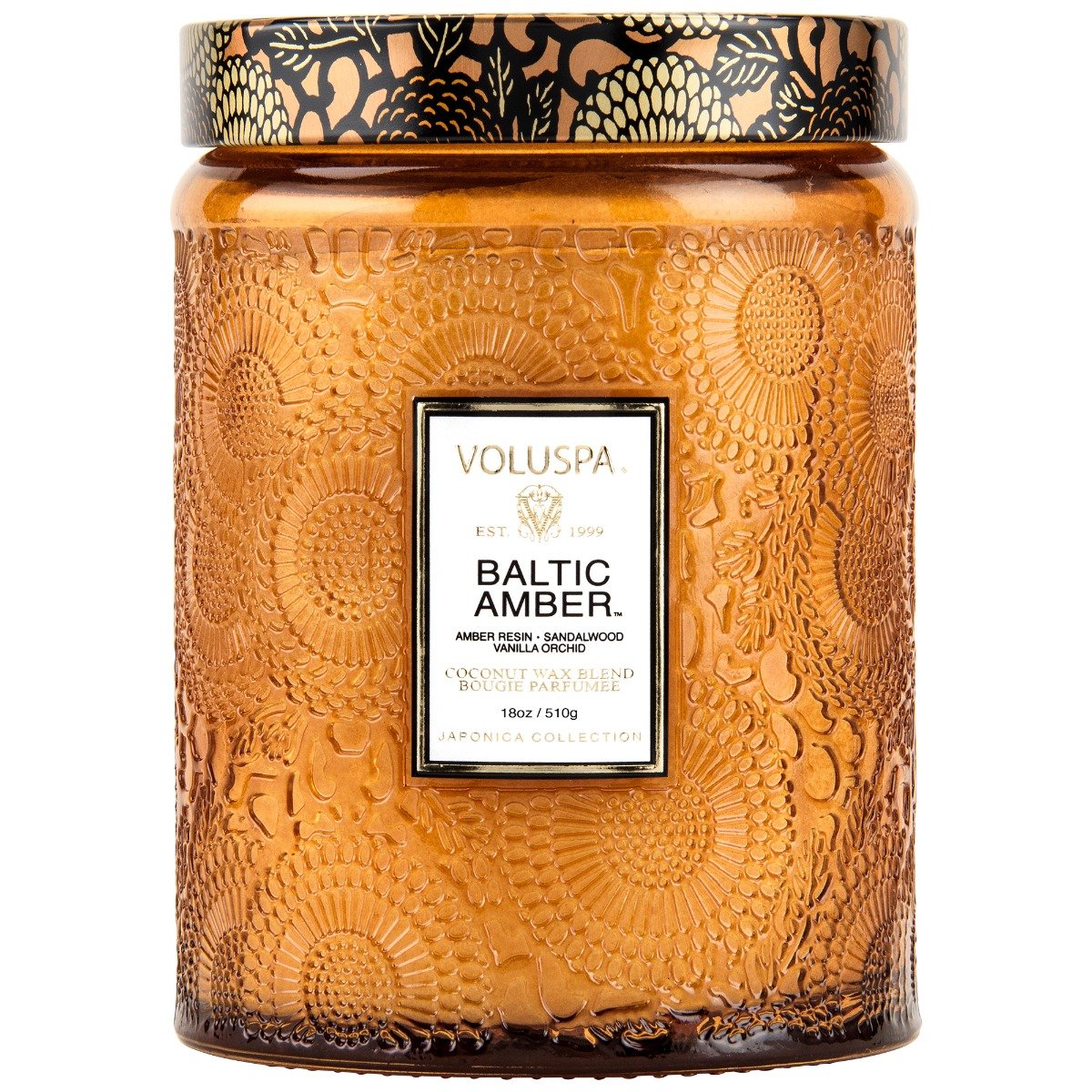
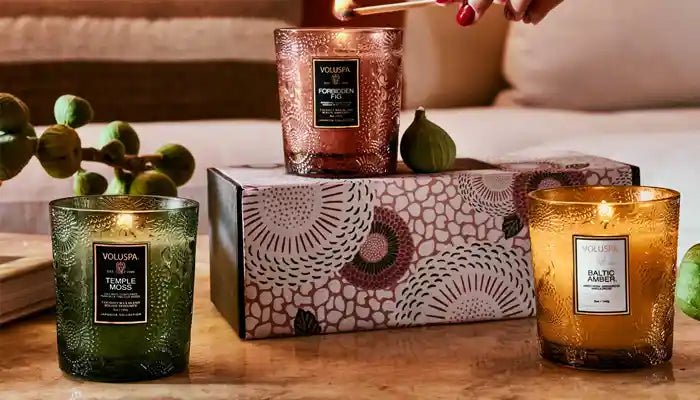
2. Voluspa Baltic Amber Small Jar Candle, 5.5 oz ($24)

What Voluspa states: a proprietary coconut wax blend, natural hand-set wicks, and products "free of phthalates, parabens and sulfates" that are never tested on animals. Voluspa describes its fragrances as a blend of natural, sustainable, synthetic and perfume-quality materials. Burn time 50 hours for this size.
According to our 2026 Luxury Candle Report, Voluspa's Baltic Amber was the ninth best-selling candle in the store this year. Honeyed amber resin sits over soft woods and a smoky vanilla orchid, and it throws harder than a 5.5-ounce candle has any right to. Voluspa publishes more about its formula than almost any brand selling candles under $30.
Verdict: the coconut wax pick, and the answer to one of the most-searched questions about this brand, which we take up below. See the full range in our Voluspa collection.
3. Tatine Woodsmoke Petite Candle ($33)

What Tatine states: natural soy and vegetable-based waxes with no additives and no added paraffin wax, cotton wicks, and fragrance "crafted with bespoke perfume and essential oils," phthalate-free, in mouth-blown glass that is drink-safe after the last burn. Tatine adds, in its own words, that it does not describe itself as an organic or natural brand.
Tatine's Woodsmoke is the fullest disclosure of any candle on this list, and the scent earns it. Cedarwood and fir balsam open it, clove oil warms it, and the drydown is a real campfire, smoldering embers with a little sweetness. The petite size is small enough for a nightstand, and because Tatine states the glass is drink-safe, it is pretty enough to keep as a tumbler after the last burn. If you want a candle whose maker has answered all three questions in writing, start here.
Verdict: the most transparent candle we sell. More sizes and scents in our Tatine collection.
4. LAFCO Chamomile Lavender (Master Bedroom) Classic Candle, 6.5 oz ($56)

What LAFCO states: a soy-based wax blend, a 100% cotton wick, formulas "free from parabens, phthalates, and other harmful ingredients," and essential oil fragrances. LAFCO states burn times from 50 to over 120 hours across its sizes.
LAFCO is the one prestige house that Google's own AI answers name alongside the small natural-wax brands, and it is the only brand in that answer set we carry. Chamomile Lavender is the bedroom candle in LAFCO's house-and-home series: dried chamomile blossoms, lavender buds and a suggestion of washed linen, poured into a hand-blown colored glass vessel that outlives the candle. It is the softest scent on this list and the one we recommend for people who find most "clean" candles either medicinal or shouty.
Verdict: the prestige pick for a bedroom. The full line is in our LAFCO collection.
5. Flamingo Estate Heirloom Tomato Candle ($68)

What Flamingo Estate states: "100% vegetable soy wax that is non-GMO and grown in the USA," a 100% cotton wick, scenting with natural essential oils, and a published never-use list that includes phthalates, parabens, paraffin and petroleum. Hand poured in Los Angeles. Flamingo Estate states no burn time, and its ingredient lists also read "Fragrance."
According to our 2026 Luxury Candle Report, Flamingo Estate grew more than 300 percent in the store this year, powered by this one candle. People now ask for it by scent. Heirloom Tomato smells like green tomato vine, holy basil and a crack of black pepper, a garden in late August. Flamingo Estate names its wax and its origin more plainly than most brands at this price, and it is the pick for anyone who wants a candle that smells like food and soil.
Verdict: the Los Angeles pick, and the one that sells itself in the store. More in our Flamingo Estate collection.
The benchmark we checked against: Fontana Candle Co.
Fontana is not on our floor by design. We built Candle Delirium around perfumed houses, more than 100 brands curated over the years, and a beeswax candle scented only with essential oils is a different craft from the one our customers come in for. Fontana is also the brand Google's AI answers name first for this search, so we held it to the same three questions. Fontana states that its candles are made with beeswax, coconut oil and essential oils, and that they were the first candles certified by MADE SAFE, a private, non-governmental certification program. That is the most complete disclosure in the category, and it comes with a trade-off: essential-oil candles throw softer and smell closer to the plant than to a perfume. Primally Pure (a beeswax and coconut wax blend with organic essential oils) and Natural Sloth (beeswax, wooden wicks, essential oils) make the same trade. Those three are the benchmarks for an essential-oil-only household. The five above are for anyone who wants a candle that smells like Havana or a Sicilian garden and still says what is in it.
How the Five Compare at a Glance
Our pick for most people is the P.F. Candle Co jar, because at $24 it answers the wax and wick questions and smells like a candle three times the price. Tatine wins on disclosure, LAFCO wins the bedroom, and Flamingo Estate wins the dinner party.
| Candle | Price | Wax (brand's words) | Wick | Fragrance statement | Best for |
|---|---|---|---|---|---|
| P.F. Candle Co. Teakwood & Tobacco | $24 | 100% domestically grown soy wax | Lead-free cotton core | Made without phthalates and parabens | First soy candle, living room, gifting under $25 |
| Voluspa Baltic Amber small jar | $24 | Proprietary coconut wax blend | Natural hand-set wicks | Free of phthalates, parabens and sulfates | Warm amber for a bedroom or den |
| Tatine Woodsmoke petite | $33 | Natural soy and vegetable waxes, no added paraffin | Cotton | Perfume and essential oils, phthalate-free | Nightstand, fall and winter evenings |
| LAFCO Chamomile Lavender classic | $56 | Soy-based wax blend | 100% cotton | Free from parabens, phthalates and dyes; essential oil fragrances | Bedroom, a soft scent that does not shout |
| Flamingo Estate Heirloom Tomato | $68 | 100% vegetable soy wax, non-GMO, grown in the USA | 100% cotton | Natural essential oils; never uses phthalates or parabens | Kitchen, dinner parties, the person who has everything |
| Fontana (benchmark, not on our floor) | Sold by the brand | Beeswax and coconut oil | Not reviewed | Essential oils only; MADE SAFE certified | Essential-oil-only households |
Soy, Coconut, Beeswax or Vegetable Wax: What Each One Is
Soy wax is hydrogenated soybean oil, a plant wax. It burns at a lower temperature than paraffin, which is why soy candles throw more softly and burn longer for their size. "100% soy" and "soy blend" are different statements: the first names the whole wax, the second names the lead ingredient and usually leaves the partner unnamed. On our floor, P.F. Candle Co, Max Benjamin and Evermore London state soy outright; Archipelago, LAFCO, Trapp, Glasshouse, Joshua Tree, Boy Smells and our own Delirium line describe soy blends. Browse our soy candles collection.
Coconut wax is made from hydrogenated coconut oil and is almost always sold as a blend, because pure coconut wax is too soft to hold a wick on its own. It has the best cold throw of the plant waxes in our experience and a creamy, white finish. Voluspa built its entire line on a coconut blend and is the one house on our floor that leads with it. See our coconut wax candles.
Beeswax is the wax Fontana, Primally Pure and Natural Sloth are built on, and none of the 17 houses we checked names it as their wax. It burns hot and slow, and it brings its own honey scent, which is why the perfumed houses leave it alone.
Vegetable wax is the term the European houses use for plant-based wax blends. Tatine and D.S. & Durga describe soy and vegetable waxes, and Carriere Freres and True Grace describe vegetable waxes in the copy they supply to us. The term tells you the wax is plant-derived; it does not tell you which plants. Trudon, long assumed to be a vegetable-wax house, describes its wax in its own FAQ as a blend of vegetable wax and paraffin.
Paraffin is refined from petroleum and holds fragrance and color well, which is why so many candles are made from it. Nest states a food-grade paraffin base for all of its scented candles, and says in its FAQ that it considers paraffin non-toxic, "as are all candle waxes." We sell Nest and Trudon, and we call their waxes what the brands call them.
If you are shopping for non-toxic candles, pick the wax whose maker tells you the most, then pick the scent you will light. A disclosed paraffin candle tells you more than an undisclosed "natural blend."
Are Nest, Voluspa, Diptyque or Boy Smells Candles Non-Toxic? What Each Brand Says
These are the brand questions people type right after "non-toxic candles," answered in each brand's own words. We answer only for brands we carry and have checked. Only two of these houses use the word, and we do not use it for any of them.
Are Nest candles non-toxic?
Nest says yes, in its own FAQ: "paraffin wax is non-toxic, as are all candle waxes." Nest states a food-grade paraffin wax base in all of its scented candles, a formula it does not disclose, wicks of cotton, paper-core cotton or the two woven together, and fragrance free from formaldehyde, parabens and phthalates. The Classic burns 50 to 60 hours. We report Nest's words; we do not grade them.
Are Voluspa candles non-toxic?
Voluspa does not use the word. It states a proprietary coconut wax blend, natural hand-set wicks whose material it does not name, and fragrances free of sulfates, phthalates and parabens that blend natural and synthetic materials. Voluspa calls the wax "clean-burning," and a Classic candle burns 60 or more hours.
Are Diptyque candles non-toxic?
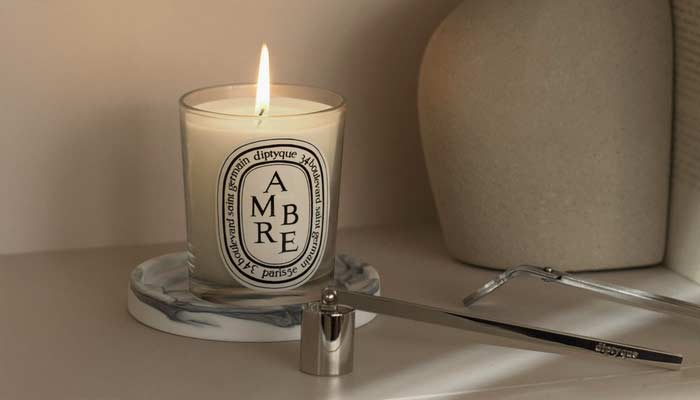
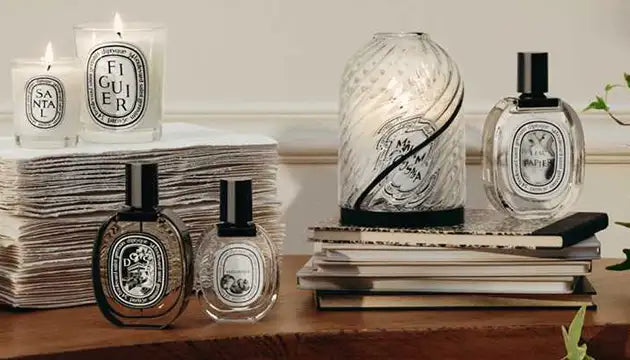
Diptyque makes no such claim and names none of its waxes. Its product pages describe "a blend of several types of wax and a high-quality fragrance concentrate," its expertise page says up to eight types of wax, the wick material is not stated, and the ingredients drawer refers you to the packaging. Diptyque is the least-disclosing house in this guide and one of the three best-selling brands in our store.
Are Boy Smells candles non-toxic?
Boy Smells does not say so. It describes its current wax as new: a US-farmed soy blend that is vegan and non-GMO, with non-bleached lead-free cotton wicks and a burn time of 50 or more hours for the 8.5-ounce size. Boy Smells publishes no fragrance statement.
Are Flamingo Estate candles non-toxic?
Flamingo Estate does not use the word, and it publishes more than most: 100% vegetable soy wax that is non-GMO and grown in the USA, a 100% cotton wick, scenting with natural essential oils, and a never-use list that includes phthalates, parabens, paraffin and petroleum. Its product ingredient lists also read "Fragrance," and it states no burn time.
Are Glasshouse candles non-toxic?
Glasshouse is one of the two houses in this guide that uses the word, describing its wax as a "non-toxic soy blend wax" with natural lead-free cotton wicks. It states no parabens and no PEGs, says nothing about phthalates, and gives up to 65 hours for the 13.4-ounce candle.
Are LAFCO candles non-toxic?
LAFCO does not use the word. It states a soy-based wax blend, a 100% cotton wick, formulas free from parabens, phthalates and dyes, and essential oil fragrances, with burn times from 50 to over 120 hours by size.
Are P.F. Candle Co candles non-toxic?
P.F. Candle Co does not use the word. It states 100% domestically grown soy wax, lead-free cotton-core wicks, and fragrances that are vegan, cruelty-free and made without phthalates and parabens, with a 40 to 50 hour burn for the 7.2-ounce jar.
Are Trudon candles non-toxic?
Trudon makes no claim either way. Its own FAQ describes the wax as a blend of vegetable wax and paraffin (the answer appears in French on the US site), its candle-anatomy page states cotton wicks, and it publishes no fragrance statement. The Classic burns 50 to 60 hours.
How to Burn Any Candle Cleaner, Whatever the Wax
The habits that cut visible soot and smoke are the same for every wax, and they matter more day to day than the wax choice does. Trim the wick to a quarter inch before every burn; a long wick is the usual cause of a smoking candle. Let the first burn reach a full melt pool, edge to edge, so the candle does not tunnel. Keep it out of drafts, which make the flame flare and soot. Stop at four hours and let it cool. Crack a window in a small room. And put the lid on when it is out; the snuff lids on Delirium, Voluspa and LAFCO candles exist for exactly this.
At our counter, the question that follows "is this non-toxic" is usually "why does my candle smoke," and the answer is almost always the wick.
Non-Toxic Candles: Questions We Hear at the Counter
Every brand statement in this guide was checked against the brand's own published copy on October 28, 2026. Prices are Candle Delirium's current prices and may change. We make no health or safety claims about any candle, wax or fragrance.