




How to Use a Reed Diffuser (and How Long It Lasts)
A reed diffuser is a bottle of fragrance oil with porous reeds standing in it: the reeds draw the oil up, it evaporates from their tips, and the room gets continuous fragrance with no flame and no electricity. Set up well, a reed diffuser reaches full strength in a day or two and lasts two to four months on a single fill, and some large formats state nine months or more.
We carry reed diffusers from more than two dozen houses at our West Hollywood store, and every care rule in this guide comes from one of three places: the instructions those houses print for their own diffusers, the throw test we run in our 1,200-square-foot showroom, and what our customers actually reorder. Where a house states a number, we quote the house. Where we have an opinion, we say it's ours.
I opened Candle Delirium in West Hollywood in 2003, and when I tested twelve luxury reed diffusers side by side, the stakes were plain: a weak diffuser is a decorative stick bouquet. Plenty of disappointing diffusers are good oil set up badly, with too few reeds, the wrong shelf, or reeds that stopped wicking weeks ago. This guide is how to set one up so it earns its place.
How Do Reed Diffusers Work?
Reed diffusers work by capillary action. Each rattan or fiber reed is packed with tiny channels, and the fragrance oil climbs them the way water climbs a paper towel, then evaporates from the part of the reed that sits in the air. It is passive scenting in its simplest form. No heat is involved, and unlike an electric room diffuser it needs no outlet, which is why a reed diffuser can run around the clock in rooms where you would never leave a candle burning.
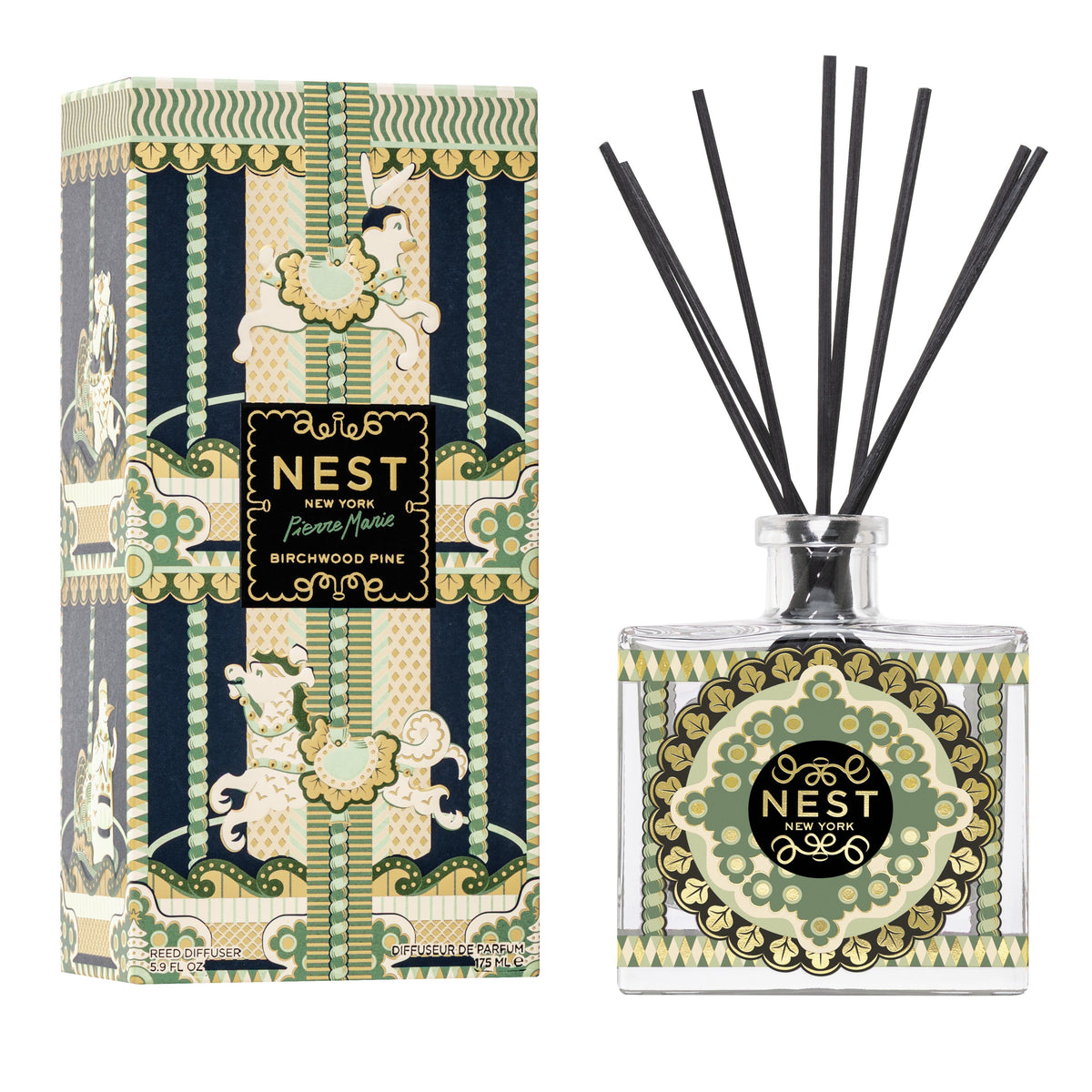
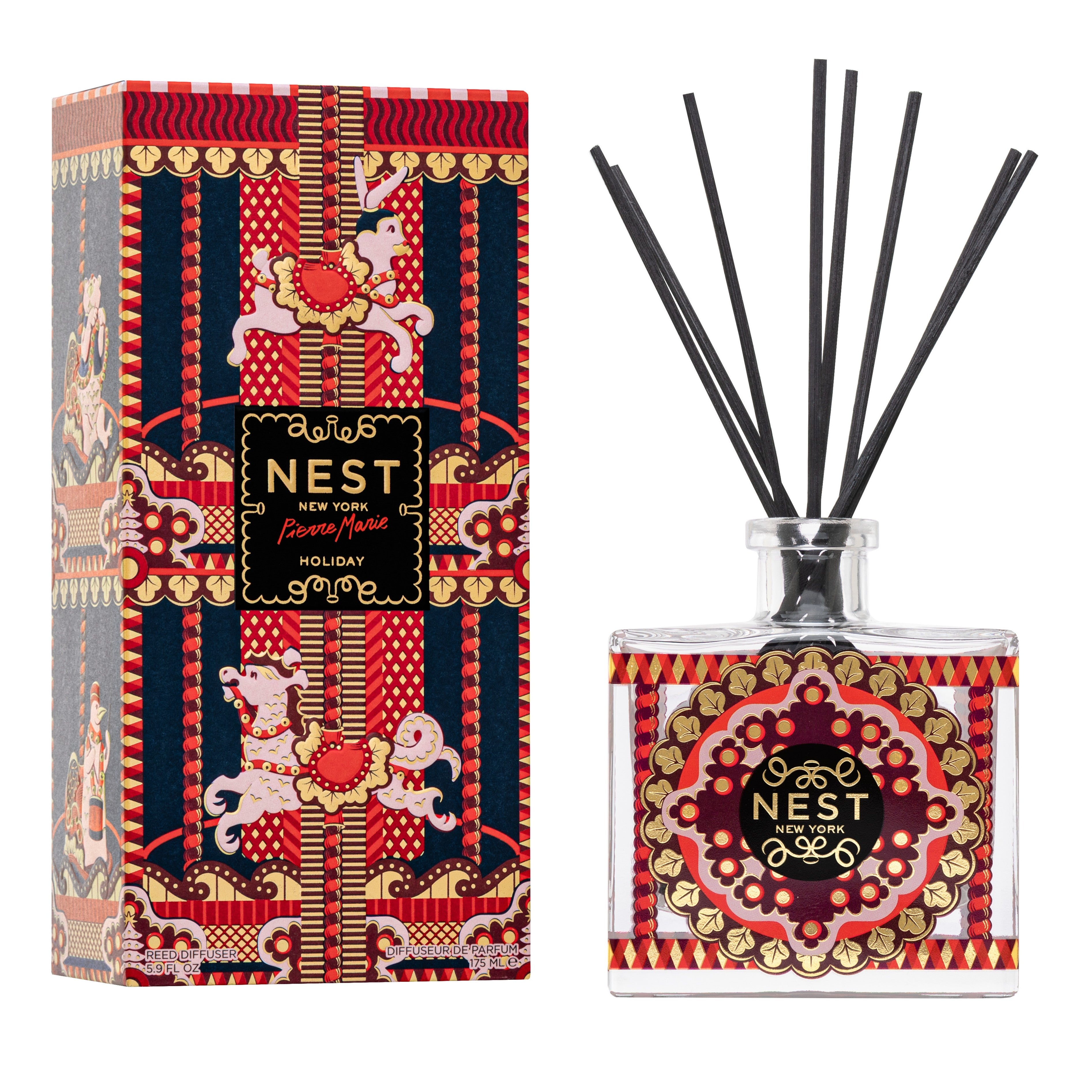
The liquid in a reed diffuser is mostly carrier, not perfume. A 2026 article in the New Zealand Medical Journal found that reed diffuser fluids typically contain 70 to 90 percent solvent and 10 to 30 percent fragrance or essential oils. The base varies by house: NEST and Seda France describe their formulas as alcohol-free, Glasshouse makes its diffusers from alcohol, fragrance and water, and Urban Apothecary pairs natural fragrance oil with a glycerine base.
Four things decide how strongly any reed diffuser scents a room:
- The number of reeds. More reeds give the oil more surface to evaporate from. Moodcast states it directly: the more reeds you use, the more fragrance is diffused.
- The reed material. Natural rattan is the classic. Fiber reeds wick more evenly, and Votivo says its fiber reeds release twice the fragrance and never need flipping.
- Air movement. A gentle draft carries scent through a room, so a diffuser in a hallway people walk through reads stronger than the same bottle in a closed guest room.
- Heat and light. Warmth and direct sun speed up evaporation. The room smells stronger for a while, and the bottle empties sooner.
Reed diffusers are one of three diffuser formats; electric and nebulizing diffusers mist oil into the air with power. We compare all three, and diffusers against candles, in our guide to diffuser benefits.
How Do You Use a Reed Diffuser, Step by Step?
Using a reed diffuser takes about five minutes, and those five minutes decide whether it becomes the scent people notice when they walk in or a bottle nobody remembers is there.
- Choose the spot before you open anything. Pick a flat, stable surface in a room with gentle air movement, out of direct sun and away from radiators, heating vents and the edge of the shelf. An entryway console is the classic: the most common setup we send home from our Los Angeles floor is a diffuser for the entryway and a candle for the living room.
- Put a tray under it. Diffuser liquid is mostly solvent, and a tipped bottle can mark lacquered or finished wood. A glass, stone or ceramic dish is cheap insurance.
- Open the bottle and add the oil. Remove the stopper or plug. If the fragrance oil ships in a separate bottle, pour it into the vessel over the tray.
- Stand the reeds in the oil and fan them out. Spread the tips so air reaches each one instead of a tight bundle.
- Flip them once to get started. After the reeds have had time to soak, turn them over above the tray or a sink so the saturated ends face up. The tips drip, so flip with the bottle underneath.
- Give it a day or two. Molton Brown tells customers to allow 24 hours for its fragrance to fill a room, and our showroom test judges every diffuser after 48 hours.
- Flip the reeds every week or two. P.F. Candle Co. says to flip weekly or whenever the fragrance feels faint. Flipping far more often than that speeds up evaporation and empties the bottle sooner.

How Many Reeds Should You Put in a Diffuser?
Start with every reed in the box and take some out only if the room feels crowded. Eight is the most common bundle among the luxury houses we carry: Trudon and Moodcast ship eight reeds with their diffusers, Molton Brown calls its diffuser an eight-reed design, and LAFCO and Voluspa each pack a fresh bundle of eight into their refills. Trapp sells its refills without reeds and tells customers to adjust the intensity by adding or removing them.
Our advice for most homes is the full bundle for a living room, entryway or open-plan space, and roughly half for a powder room, small bathroom or bedroom, where eight reeds can feel heavy by the second day. You can always add reeds back. You can't take scent back out of the air.
Where Should You Put a Reed Diffuser?
- Entryway or hallway: the best spot in most homes. Air moves, everyone passes it, and it greets you every time the front door opens.
- Bathroom or powder room: a small room lets a quiet diffuser do a lot. Fresh, green and eucalyptus scents are the classic choice here.
- Bedroom: a flame-free format you never have to blow out. Lavender is the scent our customers most often buy for bedrooms.
- Kitchen: bright citrus works well, placed away from the stove, where the heat would burn off the oil.
- Not here: a sunny windowsill, on top of a radiator or in front of a vent, the edge of a shelf, or anywhere a toddler or a cat can reach.
How Long Do Reed Diffusers Last?
Most quality reed diffusers last two to four months on a single fill, and larger bottles and slower formulas run much longer. These are the scent lives the houses themselves state for reed diffusers on our shelves:
| Reed diffuser | Scent life stated by the house |
|---|---|
| True Grace reed diffuser | Up to 10 weeks |
| P.F. Candle Co. reed diffuser | 2 to 3 months |
| Urban Apothecary reed diffuser | Up to 12 weeks |
| NEST New York reed diffuser | Over 90 days |
| Maison Louis Marie reed diffuser | Around 3 months |
| Seda France reed diffuser (8 oz) | 3 to 4 months |
| Max Benjamin reed diffuser | At least 4 months |
| Voluspa Eucalyptus & White Sage reed diffuser | 4 to 6 months |
| Christian Tortu reed diffuser | Up to 6 months |
| Voluspa 500ml Luxe diffuser refill | Up to 9 months |
| Apothia reed diffuser | 9 to 12 months |
Treat those as best-case numbers. As I like to say, plenty of diffusers smell great for two weeks and then ghost you, and the usual culprits are heat, direct sun, a vent blowing across the bottle, and flipping the reeds every day. A cool, still room stretches a diffuser's life; a sunny kitchen shrinks it. Bottle size matters too: more oil, more months.
How Long Does a Reed Diffuser Take to Start Smelling?
A reed diffuser starts releasing scent within a few hours of the reeds going in and reaches full strength in about a day or two. Molton Brown quotes 24 hours for the fragrance to fill a room. If a new diffuser still reads faint after two days, work through the fixes in the next section.
Which Reed Diffusers Last the Longest?
If you want one fill to carry you through a full season, look for a stated life of four months or more. On our shelves that means Max Benjamin, Christian Tortu, Apothia and Voluspa diffusers, whose 500ml Luxe refill states up to nine months. NEST, one of the houses in my showroom test, builds its alcohol-free formula to release slowly for over 90 days; the full range is on our NEST diffusers page.
How Do You Make a Reed Diffuser Smell Stronger?
To make a reed diffuser smell stronger, add reeds, flip them, and move the bottle into moving air. If that isn't enough, work down the rest of this list:
- Use every reed. If you took some out, put them back. The full bundle is the strongest setting.
- Flip the reeds. NEST's own instruction is to occasionally flip the reeds over to intensify the fragrance.
- Move it into moving air. A hallway, a landing, or a spot near a doorway people walk through. Still corners swallow scent.
- Put it in a smaller room. A diffuser that disappears in a large living room can be exactly right in a bathroom.
- Replace tired reeds. Over the weeks, reeds collect dust and thickened oil and wick less. If there is oil left in the bottle but the scent has faded, the reeds are often the problem, which is why LAFCO and Voluspa put fresh reeds in their refills.
- Size up for big rooms. For a large or open-plan room, choose a bigger bottle or run two diffusers, one at each end.
- Choose a scent family that projects. In our showroom test, Trudon's Cyrnos owned the 12-foot test and Trapp's Lavender de Provence cleared it with room to spare, while delicate citrus and soft florals only whispered at that distance. Trapp diffusers gave the most scent per dollar in the whole test.
How Often Should You Flip or Replace the Reeds?
Flip rattan reeds every week or two, and replace them every time you refill the bottle. Flipping brings fresh, oil-soaked reed into the air; replacing swaps out reeds that have clogged. Fiber reeds are the exception on flipping, since Votivo designs its fiber reeds to work without it.
Can you reuse reed diffuser sticks? For a refill of the same scent, yes, as long as they still wick. Don't move reeds between scents: they stay loaded with the old oil and blur the new one. And when a refill comes with a new bundle, as LAFCO's and Voluspa's do, use it.

Should You Refill a Reed Diffuser or Buy a New One?
Refill it if you love the scent. According to our 2026 Luxury Candle Report, the 500ml diffuser refill of Cereria Molla's Tuberose & Jasmine outsold both the candle and the diffuser in that fragrance between June 2025 and May 2026, and refill orders nearly tripled year over year. Our customers keep the vessel and reorder the oil, the way people repurchase a favorite perfume.
The math favors refilling too. The Tuberose & Jasmine 500ml refill holds five times the oil of the 100ml diffuser for only a little more money.
How to refill a reed diffuser:
- Let the bottle run dry, or pour out what is left if you are changing scents.
- Rinse the vessel with warm, soapy water and let it dry completely.
- Pour in the refill with the vessel standing on a tray.
- Add fresh reeds, then flip them once, just as you did on day one.
Check what a refill includes before you buy: Voluspa's 500ml Luxe refill and LAFCO's refills come with eight new reeds, while Trapp's refills are oil only.
Refilling is also the lower-waste way to run a reed diffuser, because the glass stays in use instead of going in the bin. Carrière Frères goes further than most, with 100 percent recycled and recyclable glass, a recyclable cork stopper and untreated rattan reeds.
Are Reed Diffusers Safe?
Reed diffusers are safe in most homes when they sit out of reach of children and pets in a room that gets fresh air. They have no flame and make no smoke, so they carry none of a candle's fire risk and give a smoke alarm nothing to detect. The real risks are the liquid itself and the air in a closed room, and both are easy to manage.
Are Reed Diffusers Safe Around Children?
Treat reed diffuser liquid like any household chemical. Poison Control warns that it can contain up to 70 percent isopropyl alcohol along with essential oils, and that a child who swallows it can become very drowsy, vomit, or inhale the liquid into the lungs. In New Zealand, 82 percent of the 94 reed diffuser exposures the National Poisons Centre advised on in 2019 involved children aged two or under. Keep diffusers on a high shelf rather than a coffee table, and if a child gets into one, call Poison Control at 1-800-222-1222.
Are Reed Diffusers Safe for Cats and Dogs?
The ASPCA says that using an oil diffuser for a short time in a secured area your dog or cat cannot access is not likely to be an issue. Its cautions are to place a diffuser where your pet cannot knock it over, to skip diffusers if a pet has a history of breathing problems, and to avoid them in homes with birds, whose respiratory tracts are very sensitive. Wipe up any spill at once, before a curious paw finds it.
Are Reed Diffusers Toxic to Breathe?
Reed diffusers release volatile organic compounds as they scent a room, as air fresheners and many other household products do. The EPA notes that indoor levels of many VOCs run up to ten times higher than outdoors, that their effects can include eye, nose and throat irritation and headaches, and that some VOCs are suspected or known to cause cancer. The EPA does not single out reed diffusers; its advice for any VOC source is to increase ventilation and follow the label. In practice that means one diffuser per room, a room that gets fresh air, and moving the diffuser out if anyone gets a headache.
If ingredients are your concern, choose a house that discloses them. Voluspa states that its products are free of phthalates, which are studied as endocrine disruptors, as well as parabens and sulfates. NEST and Seda France make alcohol-free formulas, and LAFCO describes the oil in its refills as at least 90 percent natural essences.
Do Reed Diffusers Actually Work?
Reed diffusers work, but quietly, and that is the point. A good reed diffuser keeps a steady, low level of fragrance in a room around the clock; it won't flood a large living room the way a candle does in its first hour. Our showroom test asks one question: can you still smell it 12 feet away after 48 hours in a 1,200-square-foot room? The strongest diffusers pass easily and the delicate ones only whisper, which is why matching the bottle to the room matters more than the price tag. In my test, the $41 Trapp out-projected several bottles at twice its price.
Shop our luxury reed diffusers online, or visit us at 7980 Santa Monica Blvd in West Hollywood, where we run diffusers in the showroom so you can smell them in the air, not just from the bottle.
Reviewed and updated September 28, 2026.