





Candle Safety Rules
The National Fire Protection Association tracks about 7,400 home structure fires from candles every year in the United States. One in three starts because something flammable was left too close to the flame. We have been at the Los Angeles counter since 2003, and we hear about close calls more often than you would expect. Almost every story starts the same way: "I only stepped out for a second."
That phrase is essentially the only candle safety rule you need. Everything else is a corollary of it. But the corollaries matter, especially the one about the candle itself. Most safety guides cover how you use a candle. Fewer spend time on what you are burning, which is where the actual variance lives between a $6 import and a brand we have carried for fifteen years. We will cover both.
Before You Light
The decisions that lead to a candle fire are almost always made before the match strikes. Placement. Wick length. Surface choice. None of these can be corrected once the candle is burning. That is where this section lives.
Trim the wick to one-quarter of an inch before every burn, not just the first one. A wick that is too long burns hotter, produces more soot, and creates a flame large enough to heat the glass vessel unevenly. Customers often figure this out on their third or fourth candle, when the glass starts clouding and the burn looks wrong and they realize they have been skipping the trim. Our candle accessories section carries wick trimmers built for deep jars that make a cleaner cut than scissors and take about five seconds to use.
Placement: a lit candle should be twelve or more inches from anything flammable. Curtains, books, papers, the linen napkin placed at the dinner table and then forgotten. Glass, metal, and ceramic are the right bases. Wooden shelving and veneered furniture are not. Before placing a candle in any room, take a quick account of what falls, what drafts push, and what children or pets can reach. One in three candle fires starts with something flammable being too close. That statistic is almost entirely a placement decision.
Keep candles out of drafts. Vents, fans, and open windows create the kind of steady flame instability that produces uneven burns and faster wax consumption. Do not burn a candle inside a closed glass case or with the container lid on. The vessel needs airflow.
During the Burn
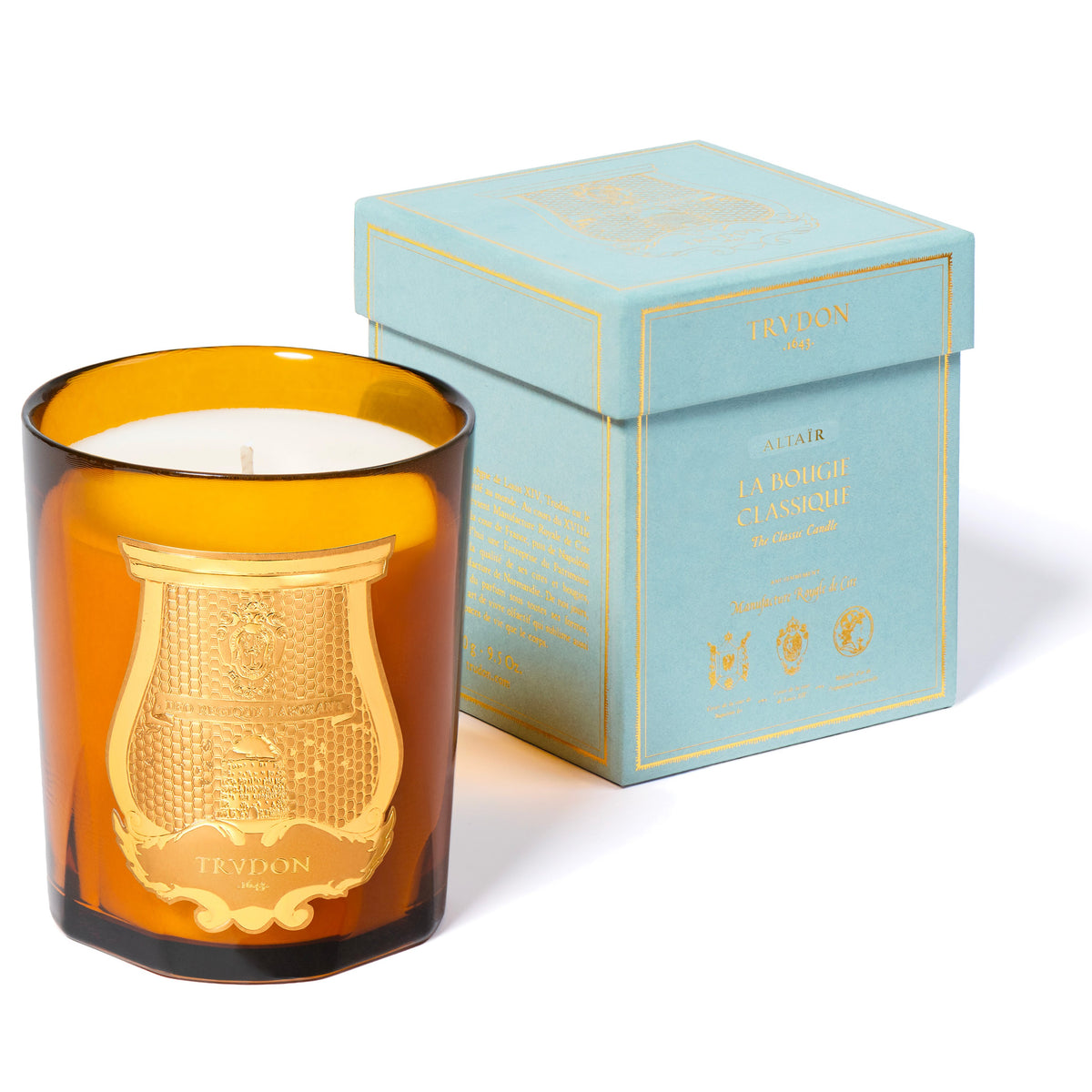
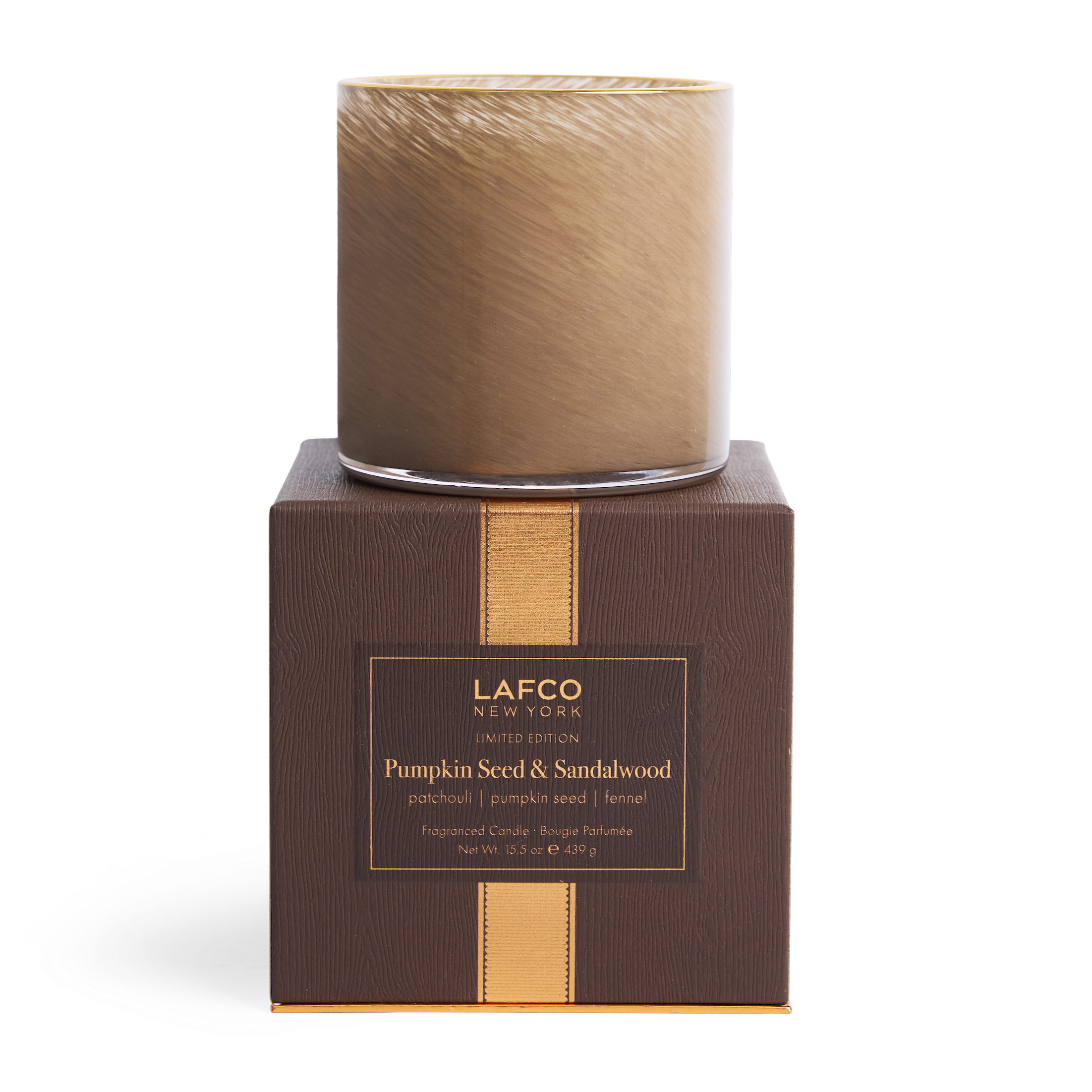
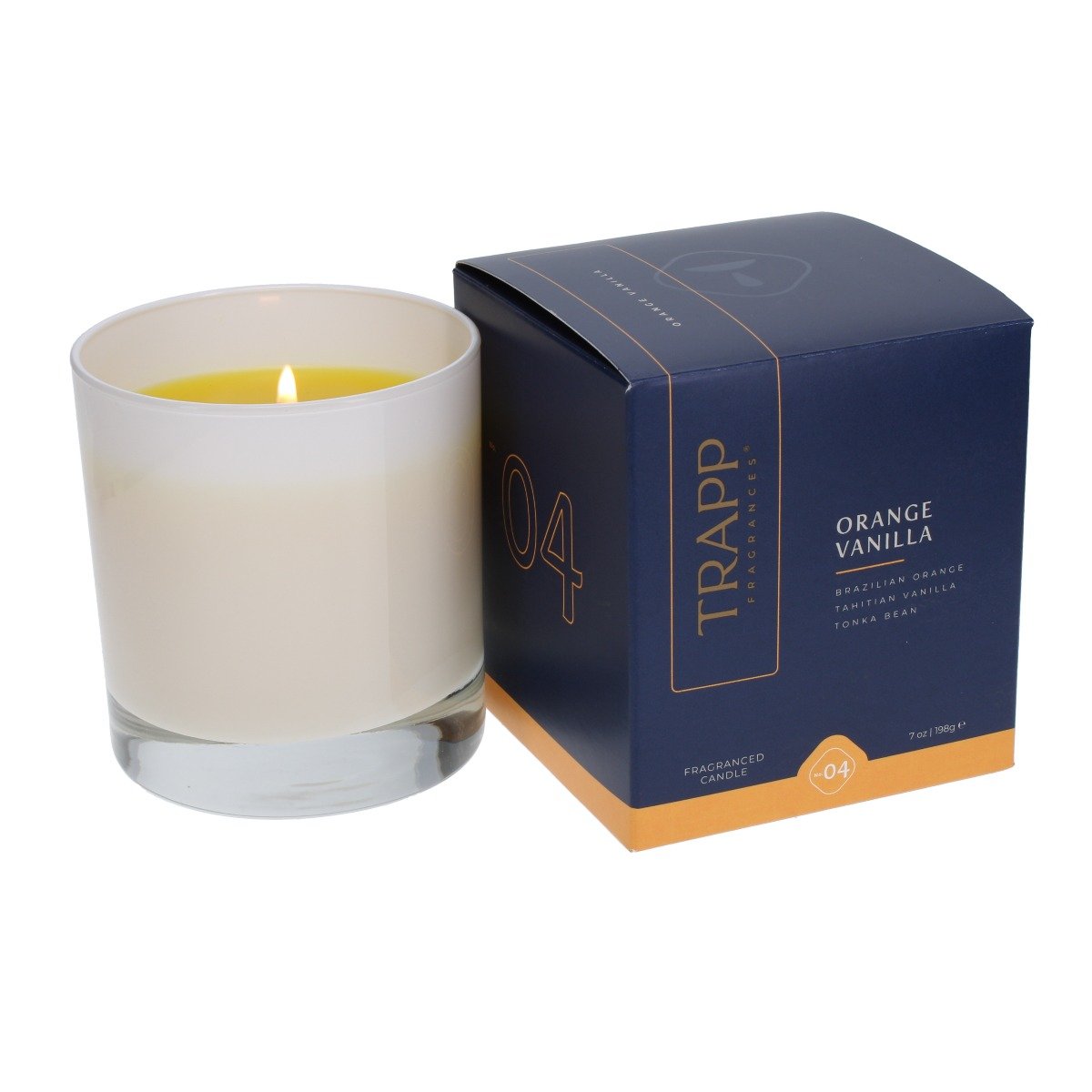
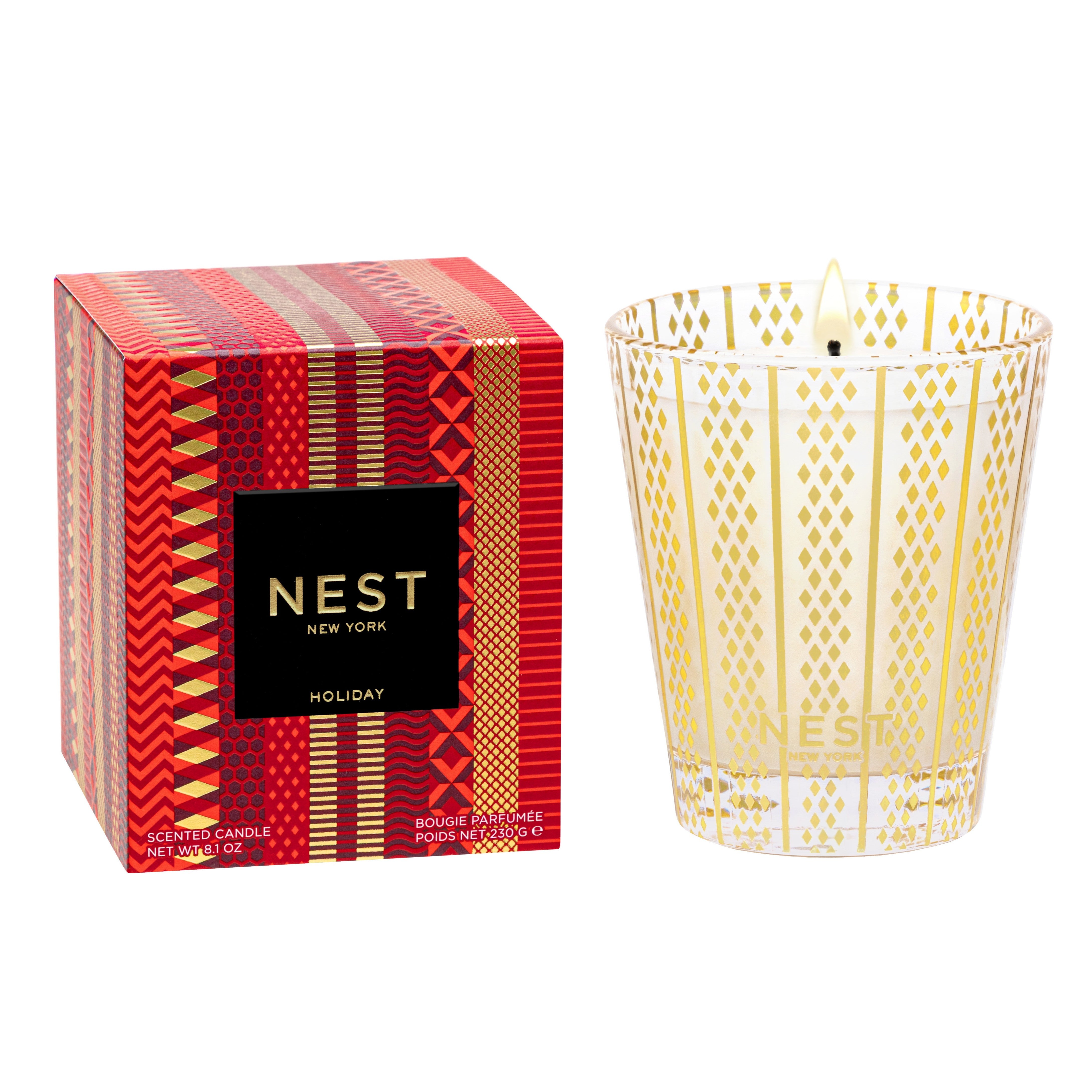
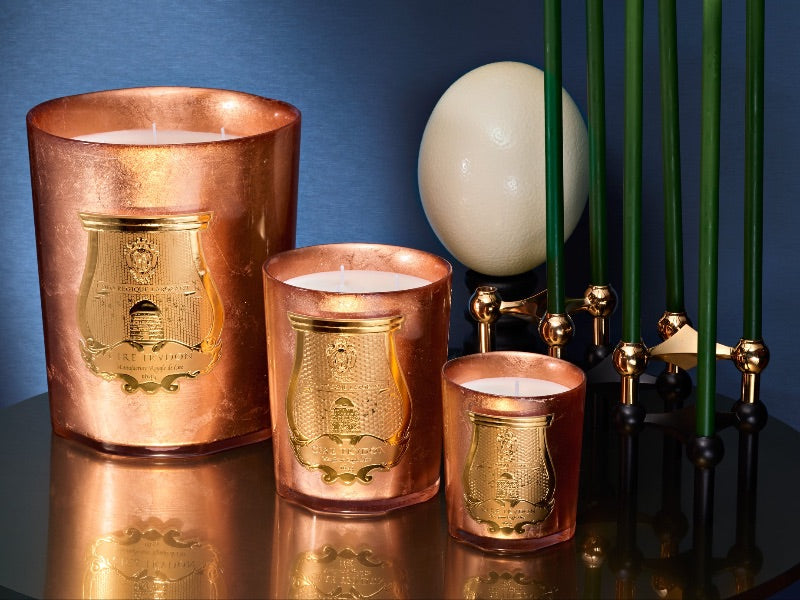
The three-hour rule is the one where we lose people. Burn a candle for no more than three to four hours at a stretch, then let it cool completely before relighting. The reason: burning longer overheats the vessel, pushes the melt pool temperature above the candle's design range, and causes uneven consumption in softer waxes. The Diptyque, LAFCO, and Nest New York candles we carry are engineered for three-to-four-hour sessions. After that, you are not getting more fragrance out of it. You are just stressing the glass.
Never leave a burning candle unattended. Darren, who has been on the Los Angeles floor for years, gives every first-time buyer the same line: "The moment you leave the room is the moment something shifts." He is not being dramatic. A pet, a door draft, a catalog sliding off the edge of the table. Any of those in a room with a burning candle and nobody watching is the "I only stepped out for a second" story waiting to happen.
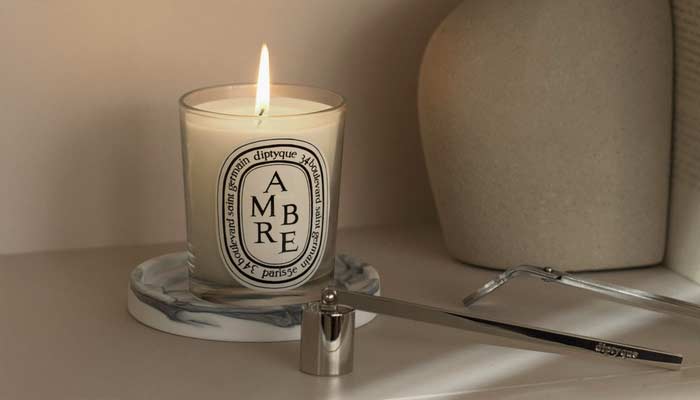
The first burn: always let the melt pool reach the full diameter of the jar before you extinguish. This prevents tunneling, where the wax melts straight down the center and leaves a solid ring around the sides that never burns. Once you tunnel a candle you cannot undo it, and you have just paid $70 for the top third of a candle. After that first burn, the three-to-four-hour ceiling applies every time. Use a snuffer or a candle lighter with an extinguishing cap rather than blowing it out. Blowing drives the wick into the wax and sends a smoke plume straight into the room you were just trying to scent.
The Candle Itself Is a Safety Variable
This is the part most guides skip: the candle is a variable.
Wick composition first. The Consumer Product Safety Commission required lead-free wicks in all candles sold in the United States by 2003, after data showed lead-core wicks released elevated particulate matter during combustion. Every brand we carry uses cotton or wood wicks confirmed by the manufacturer. This is part of our intake. If you are buying candles from channels where you cannot verify this, it is a reasonable question to ask.
Fragrance oil composition matters for a related reason. Mass-market candles are often formulated with synthetic fragrance compounds chosen for cost, not for clean burn behavior. Better fragrance oils, including those in the soy candles and premium wax blends we carry, are tested to IFRA standards and behave predictably at candle temperatures: cleaner scent diffusion, less soot, cooler burn overall. Not a marketing claim. A chemistry difference.
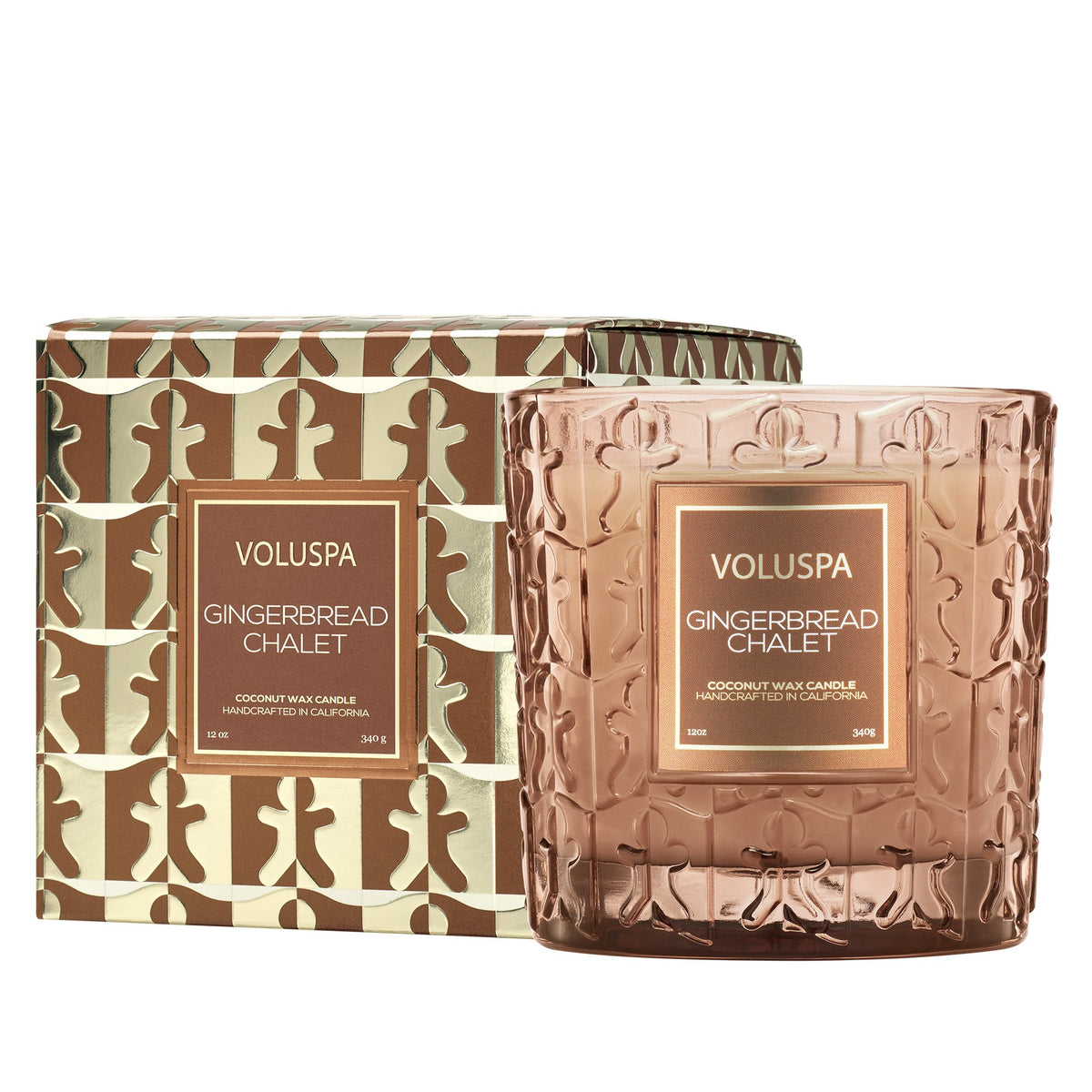
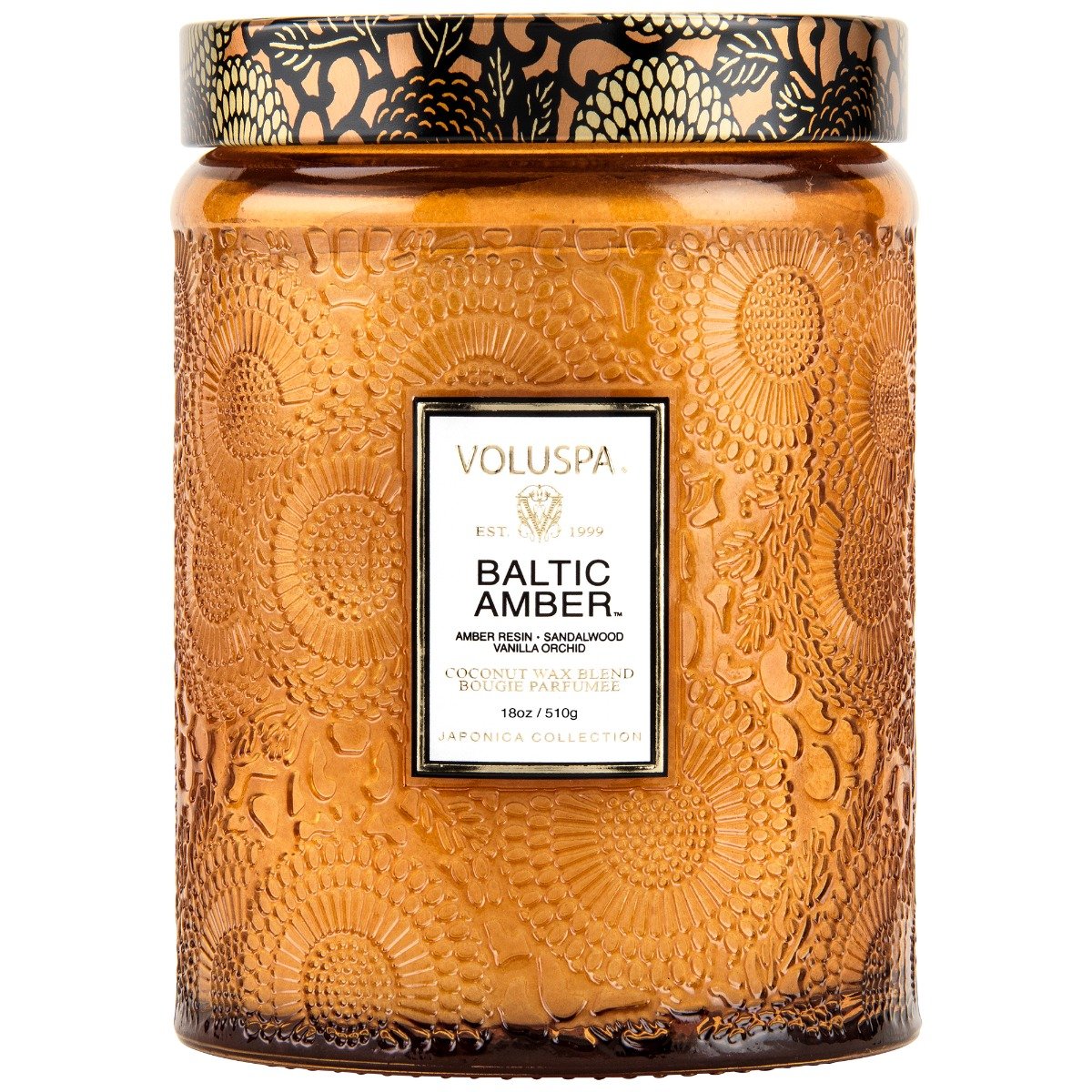
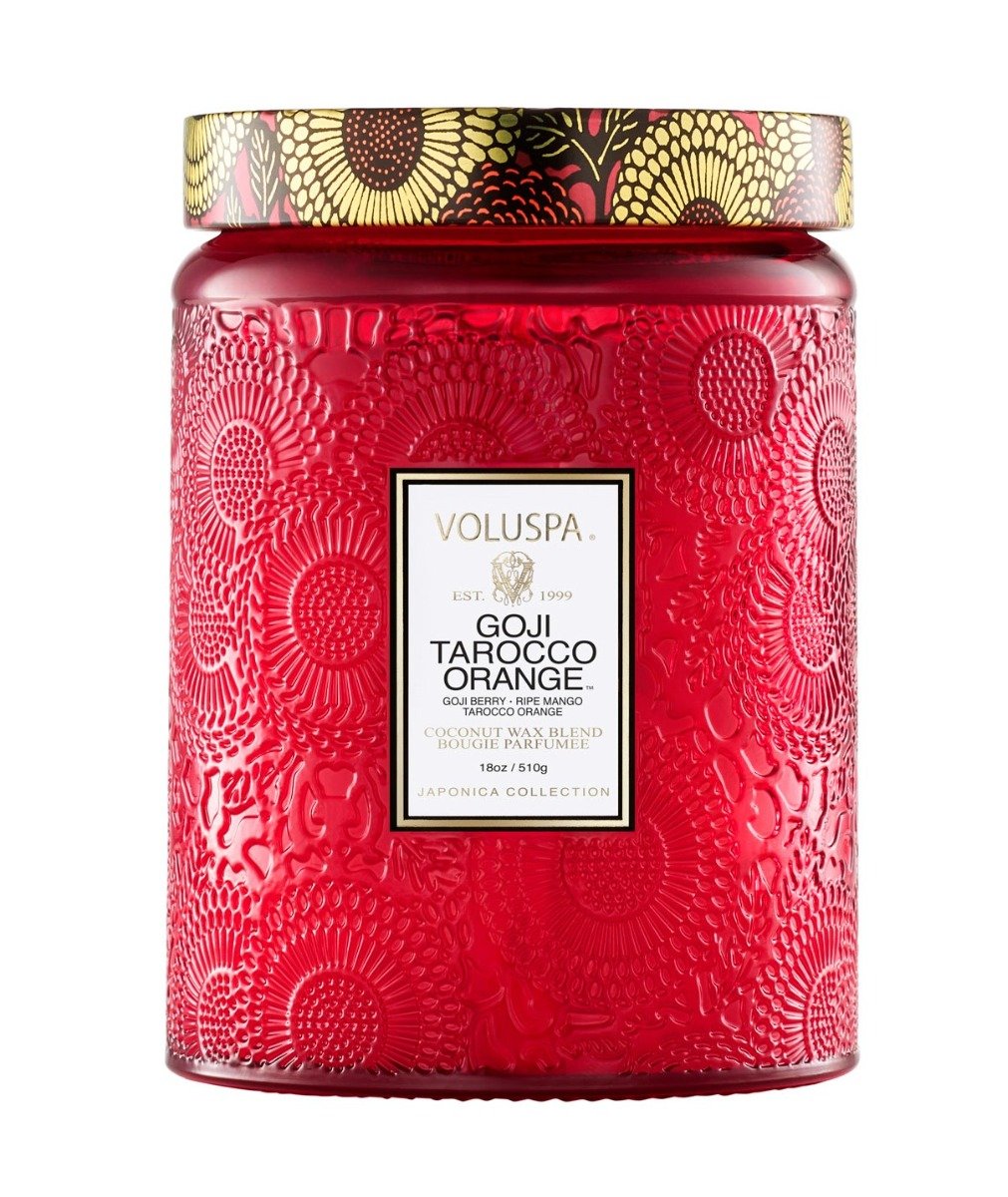
Vessel quality is the third variable. Thin glass, jars with internal stress points, and containers not rated for thermal cycling can crack under a full melt pool. The sign to watch for: a jar that feels hot before the wax is even halfway down. That candle needs a heat-safe surface underneath it. Rose, who runs brand intake at our Los Angeles store, burns every new vendor's candle to the bottom of the jar before clearing it for the floor. If the brand has not done this themselves and cannot confirm it, they do not come in. Every candle in our best-selling candles collection has cleared that standard.
If Something Goes Wrong
Do not use water on a candle fire. Water causes hot wax to splatter, spreads burning material across a wider area, and can fracture a hot glass vessel. Smother it: a metal lid over the jar, a baking sheet over the surface, or a Class B or ABC fire extinguisher. Most home extinguishers are ABC, which covers wax.
If it has spread beyond the candle, leave the room and call 911. Do not pick it up and carry it somewhere safer. A burning candle in motion during a stressful moment is not a controlled situation.
Between burns, store candles with their lids on and away from direct sunlight. Dust that settles into a melt pool burns unevenly on the next light. UV exposure degrades fragrance compounds and warps the wax surface, which shifts the wick off center, starting the uneven burn sequence that eventually produces the hot spots and cracked vessels mentioned above. Cool, consistent storage. Not the car. Not the windowsill that gets afternoon sun.
And if you are the type of person who blows out a candle early to "save" it for the weekend: the candle is not being saved. The fragrance top notes are oxidizing in the open jar, the wax is absorbing ambient smells, and the wick is slowly stiffening in a position it did not choose. Light the candle. That is what it is for.