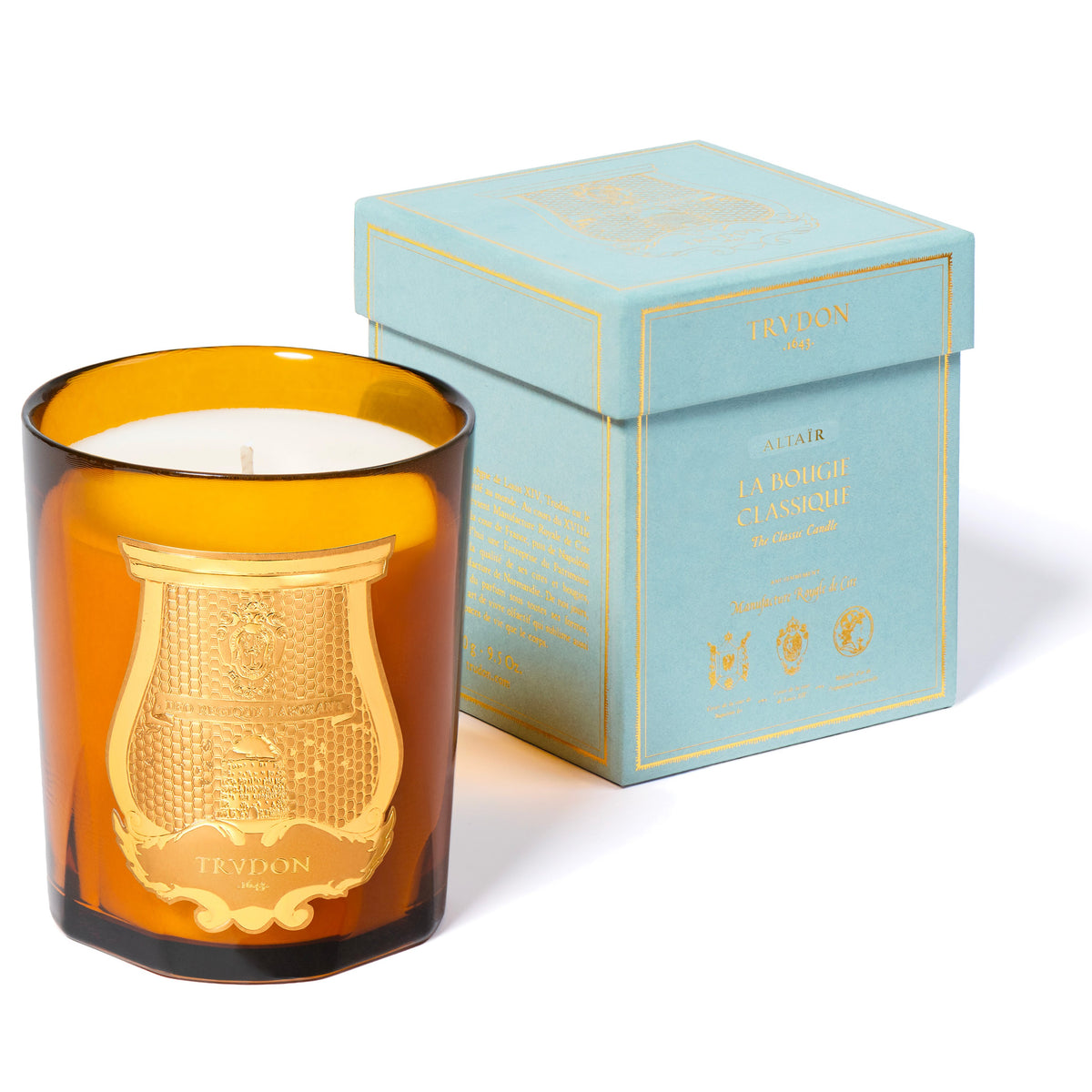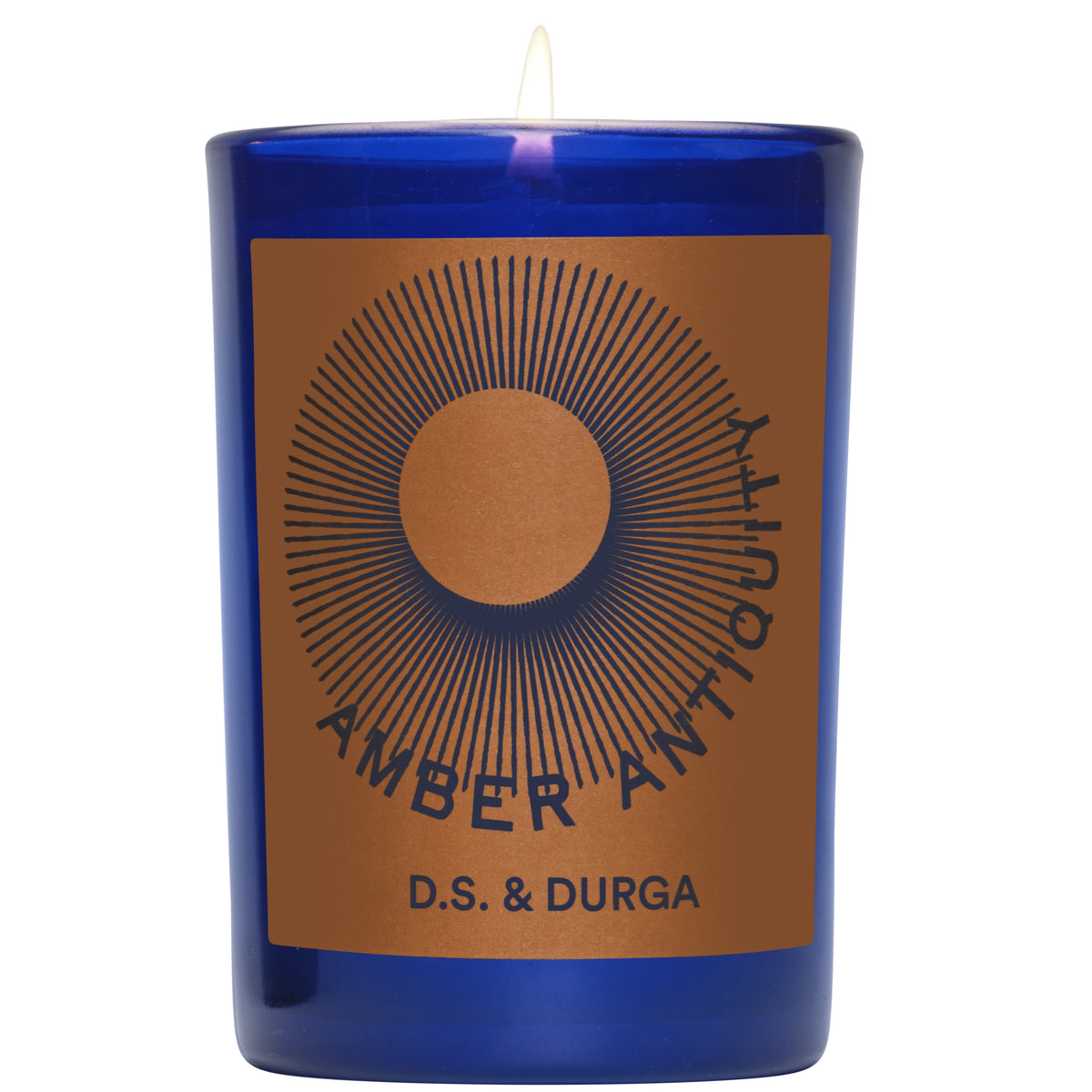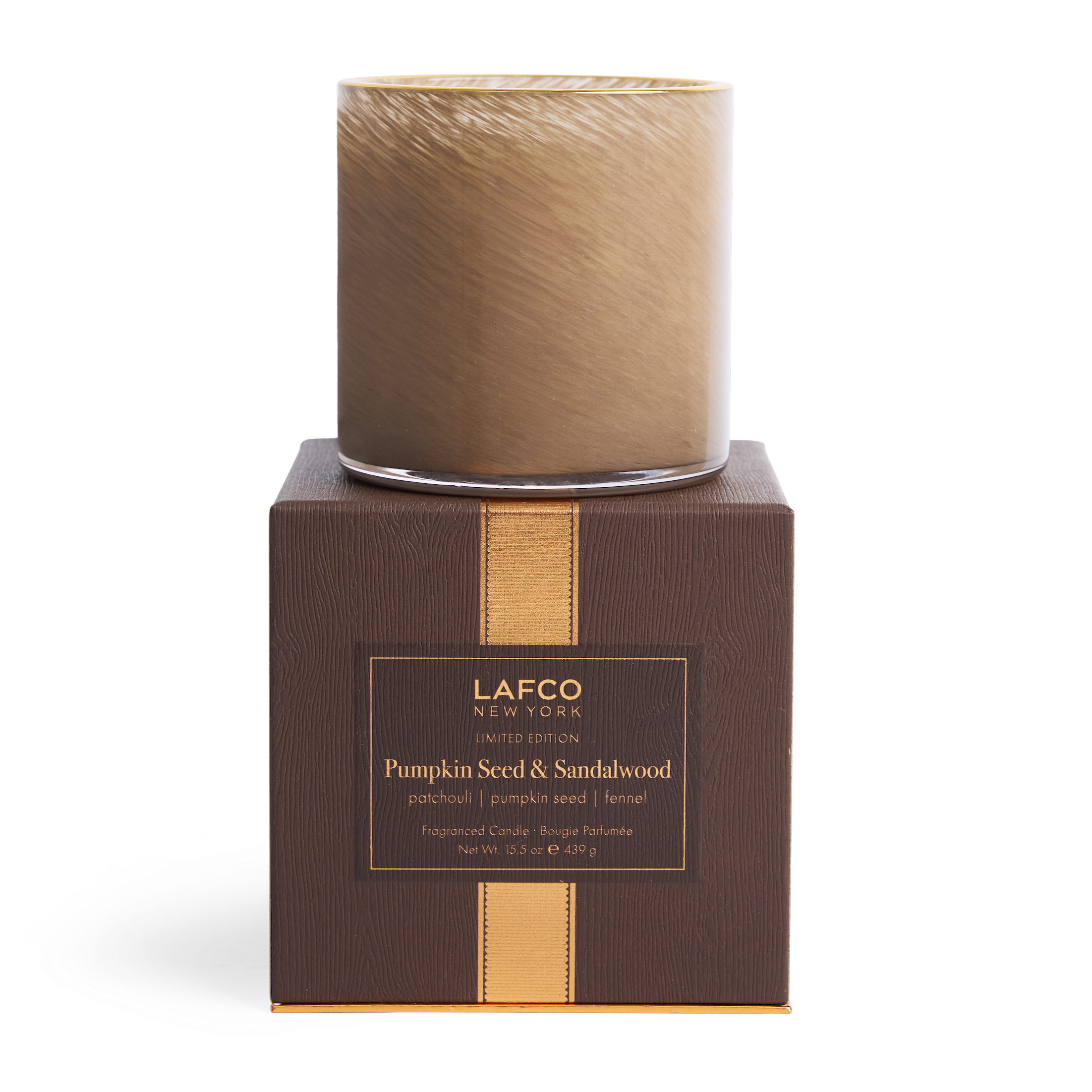




Candle Scents for Different Moods
Scent has a direct anatomical pathway to the limbic system, the part of the brain that handles emotion, memory, and motivation. Every other sense routes through a relay station before arriving there; smell does not. That single fact explains why a candle can shift the feel of a room before you have consciously registered that anything has changed, and why fragrance has been used to shape mood and ceremony for as long as fire has existed.
Candle Delirium has been at the Los Angeles counter since 2003, carrying more than sixty home fragrance brands. In twenty-plus years of conversations with customers, mood is the single most common reason people reach for a candle. Not decor. Not gift-giving. The most common version of the answer is: I want to come home and feel like the day is already over. The second most common is some variation of: I need help concentrating, and the coffee is not working.
Candle scents for different moods break into four categories that come up again and again on the floor: relaxation and winding down, focus and energy, romance and intimate atmosphere, and gifting by mood. This guide covers what fragrance families work for each and which candles from our shelves we actually reach for.
The shortlist below is Candle Delirium's own shelf data, one pick per mood, drawn from what the West Hollywood floor actually restocks. Every pick was verified in stock as this guide was updated.
| Mood | Our pick | Price | Why this one |
|---|---|---|---|
| Relaxation | LAFCO Chamomile Lavender (Master Bedroom) | $80 | Chamomile and sage round the lavender so it reads calm rather than medicinal; the hand-blown vessel earns bedroom shelf space after the wax is gone. |
| Focus | Nest Grapefruit | $50 | Pink pomelo grapefruit over watery greens; bright enough to signal work mode without competing for attention. |
| Romance | Diptyque Roses | $90 | Fresh-cut May roses from a house that composes with natural ingredients; the soft floral that warms a quiet room instead of filling a loud one. |
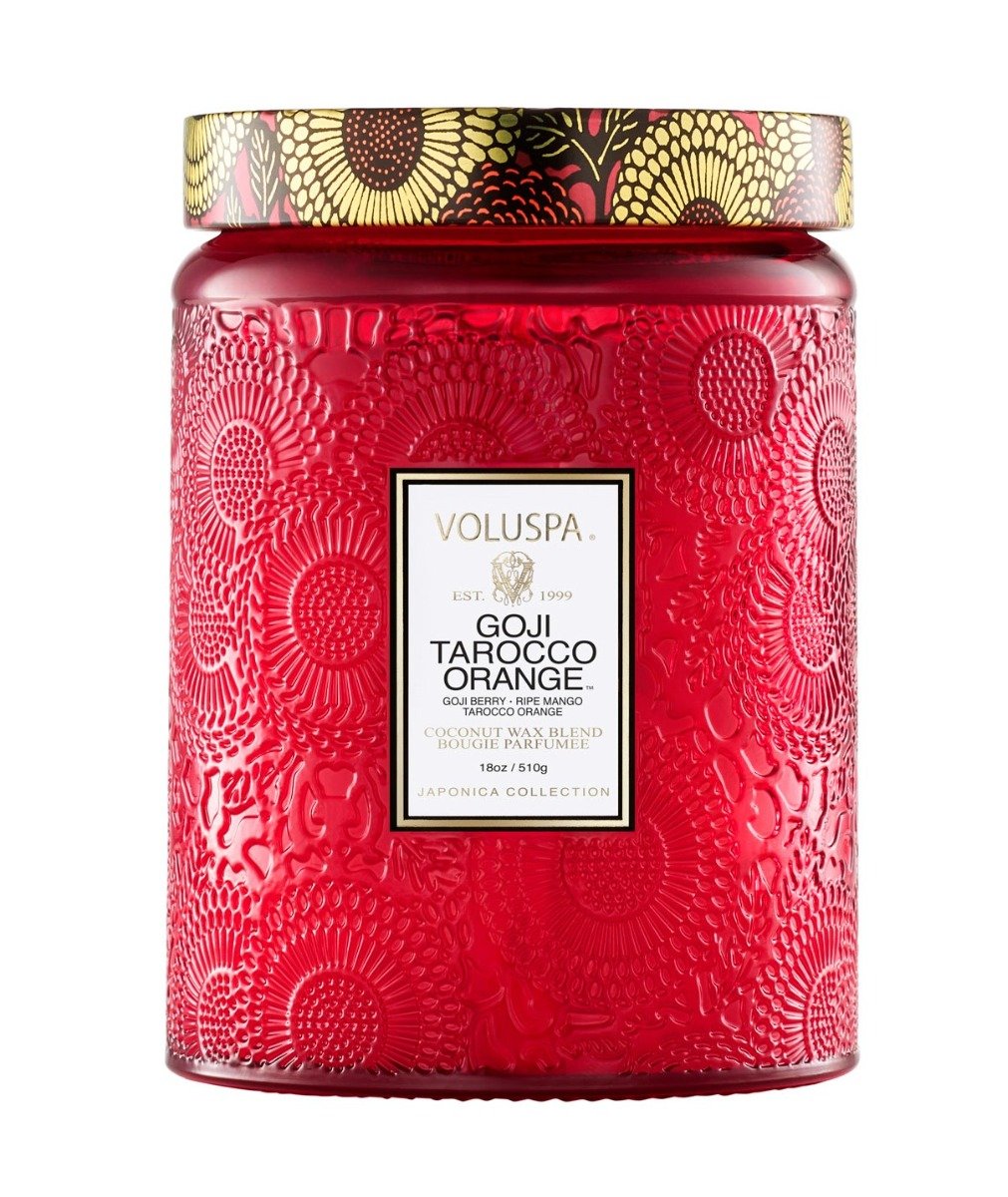
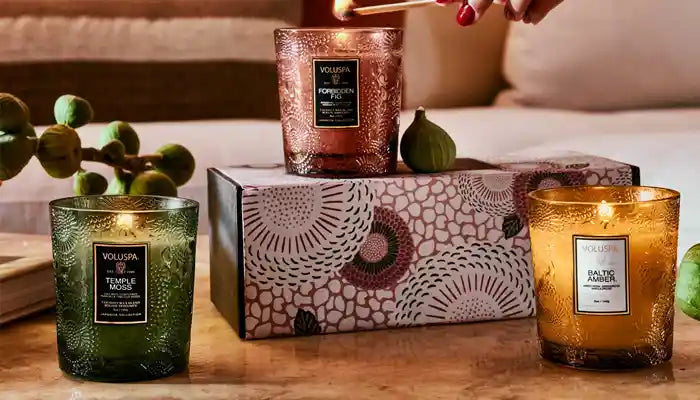
| Gift-safe | Voluspa Goji Tarocco Orange 3-Wick | $32 | Tart tangerine and pomelo nectar in coconut wax; the warm-citrus ambiance that lands with almost any recipient. |
Scents for Relaxation and Winding Down
According to the National Candle Association, relaxation and stress relief rank as the top two reasons consumers in the United States light candles at home. That matches exactly what we see. When someone walks in and says they have had a long week, they are not asking for complexity. They want warm, still, and soft. Lavender, sandalwood, warm amber, vanilla, and chamomile are the note families that deliver this reliably.
Lavender is the anchor of the relaxation category. It is not trying to be subtle, and it does not need to be. Lavender at full expression in a candle reads as an immediate signal to slow down. It works before you consciously decide to relax. Sandalwood operates at a deeper register: warmer, more resinous, and more enveloping. The combination of lavender and sandalwood, common in spa-inspired fragrance lines, is the most consistently effective single mood shift we sell for the end of a difficult day. Warm amber and vanilla extend the effect and add depth without redirecting it. A candle that opens with lavender and settles into warm amber over the burn is the full relaxation arc in one vessel.
Rose, who manages fragrance intake at our Los Angeles shop, keeps a lavender-anchored candle behind the counter from October through December. "November and December," she says, "people walk in already wound tight. I want the air to do some of that work before the conversation starts." She does not reach for citrus. She reaches for something that makes the room feel like a breath out. The distinction she draws is precise: fresh scents open a space, warm scents close it down in the best possible way. For evening wind-down, you want the room to close.
For relaxation-forward picks, we reach first for the LAFCO Chamomile Lavender (Master Bedroom) candle ($80), the most direct answer on our shelf to the lavender brief, alongside Nest New York classics in the same lane, all composed for extended evening burns. Our luxury scented candles collection has current availability across these and other relaxation-forward lines.

Scents for Energy and Focus
Remote and hybrid work created a fragrance problem that was not as common when people left the house every morning: the home now has to do two incompatible jobs in the same physical space. It needs to be the place where you relax at night and the place where you concentrate during the day. Fragrance is one of the most effective ways to signal a shift between those two states without changing anything else about the room.
Citrus is the right starting point for energy and focus. Bergamot, lemon, grapefruit, and orange peel carry a brightness that reads as alertness without demanding attention on its own. Unlike heavy musks or resins, citrus notes dissipate relatively quickly and do not accumulate in the air over hours. For morning work sessions, a citrus-forward candle creates a clean sensory context without competing with whatever you are trying to concentrate on.
Beyond citrus: eucalyptus, peppermint, fresh evergreen, and light wood note families produce a similar clarifying effect. They are particularly useful in the mid-afternoon window when concentration typically dips. Eucalyptus especially carries a mild opening quality, something like the air just before rain, that is useful in a specific way: it cuts through accumulated mental fog without creating a new sensory demand. Pine and other evergreen profiles work on the same principle. They are not trying to smell interesting. They are trying to make a room feel like outside.
Darren, who has worked the West Hollywood floor since before most of the fragrance trends this decade, puts it plainly: "The people who come in asking specifically for focus want something that smells like the air before rain, or like a clean version of outside. Something green, something crisp." He does not send them toward heavy collections first. He points them to the fresh and aquatic ends of the fragrance wheel. For clean-burning options that support concentration rather than overwhelm it, start with our soy candles section, which skews toward the bright, lighter-fragrance profiles that work well in work environments.
Scents for Romance and Intimate Atmosphere
The association between candlelight and romantic atmosphere predates fragrance marketing by several thousand years. Before electricity, candles were the only way to extend a day past sunset, and all of the most intimate human moments happened by candlelight by default. The association is installed below the level of conscious preference. Fragrance builds on what the light is already doing; the right scent and the right flame together compound an effect that neither produces alone.
For intimate atmosphere, the fragrance families that work are warm, musky, slightly dark, and not sharp. Oud is the heavy end of this category. It burns with a depth and smokiness that lingers in a room well after the candle goes out. It is not a background scent, and it does not pretend to be. Rose adds a softer counterpoint: more romantic, less austere. The combination of rose and warm oud, which you find in some of the best luxury fragrance houses, covers the intimate end of the fragrance spectrum at the highest level.
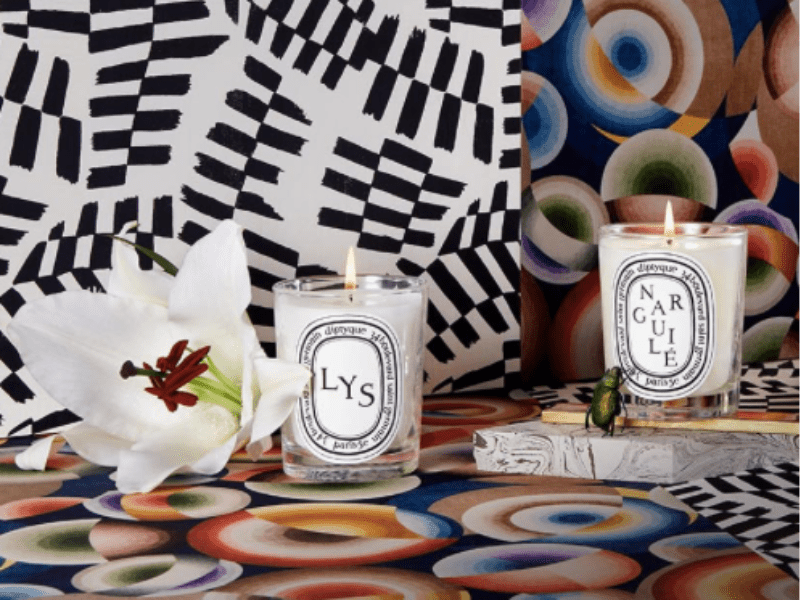
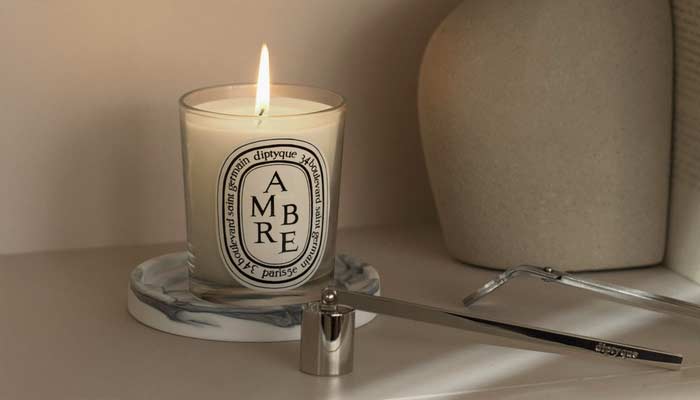
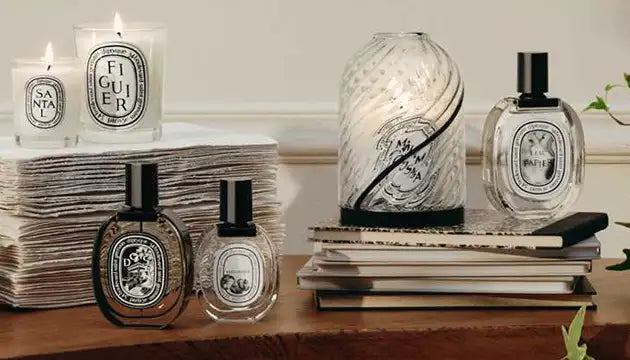
The distinction we give customers at the counter: if you are setting a room for a dinner party or a gathering, stay in the lighter floral or citrus-amber range. Something interesting but not demanding. If the setting is genuinely intimate, quiet, low light, two people, move toward warmer and darker musks and amber-rose composites. The heavier end of the fragrance wheel is not meant to scent an active room. It is meant to deepen a room that is already still. Among the houses we carry, Diptyque candles cover the widest range of this territory. Their florals skew more romantic than most, and their woody compositions give intimate depth without going fully dark. Not coincidentally, they are among our most frequently gifted items by people who know their recipient well.
The warm-dark end of the wheel is not a niche anymore. According to our 2026 Luxury Candle Report, leather and smoke scents claimed two of our top six bestselling candles. Our own Delirium Suede & Smoke ($58), created by founder Anthony Carro, is built for exactly this register: tobacco leaves, moss, and lapsang souchong dark tea over a leather base, the fireside end of intimate rather than the floral end.

Choosing a Candle as a Mood Gift
A candle given as a mood-specific gift requires more specificity than "nice candle." The gift has to communicate its own reason for being. A relaxation candle for someone who does not typically burn candles should be immediate and readable: lavender-forward, spa-adjacent, nothing that requires explanation or an acquired taste. A candle for someone who already has twenty Diptyques needs a completely different strategy: something they have not already burned, possibly from a house they have not tried, and something that fits where their collection leaves off rather than duplicating what they already own.
The framework we give gift buyers at the counter: think about where the candle will live. A home office gift goes in the energy and focus category, citrus-forward, bright, not heavy. A bedroom candle goes in the relaxation category without hesitation. A living room or dining room candle can go in nearly any direction, but avoid anything so heavy that it dominates a high-traffic social space. Very dark oud, incense-forward compositions, and strongly mentholated profiles are all excellent for the people who love them and genuinely wrong for everyone else. Those are gifts you buy when you know exactly who you are buying for.
If you are buying for someone whose taste you do not know well, the safest ground is warm citrus to light wood. Bergamot, soft amber, clean musk, and bergamot-anchored florals cover the widest overlap of individual preferences across most demographics and fragrance experience levels. For current picks across this range, the LAFCO candles collection is our most consistent recommendation for gifting across unknown taste profiles. For in-person guidance, the team at our West Hollywood location builds mood-specific gift sets on request and can match a candle to a room, a recipient, or a specific occasion.
Reviewed and updated July 19, 2026.